An innovative self-help book that offers a way to cultivate the Body, Mind, and Spirit. Uncover your purpose in life and be your true authentic self. Made possible through the 8-Dimensions of Wellness.
Chapter 1: Self-Empowerment
A. Your inner truth
B. Becoming self-aware
C. Knowing your worth
2. Taking Action
A. Eliminate excuses!
B. The right moment
C. Failure leads to success
A. Reconnect with yourself
B. Self-compassion
C. Be one with Self
Chapter 2: Mind & Body
A. Loneliness and isolation
B. Grief, loss, and shame
C. Sleep complications
D. Alcohol and substance abuse
A. Emotional
B. Psychological
C. Social well-being
A. Nutrition
B. Being active
C. Environment
Chapter 4: Authentic Self
A. Natural acceptance
B. Experiential validation
A. Asleep
B. Awakening
C. Integration
D. Acceptance
E. Application and Service
A. Self-awareness
B. Interest awareness
C. Hopes and dreams
D. Career discovery
Chapter 1:
Self-empowerment
” Self-empowerment means making a conscious decision to take charge of our destiny. This involves making positive choices, taking action to advance, and being confident in your ability to make and execute decisions.“
Here’s six ways self-empowerment can benefit you:
- Developing a positive attitude
- Setting reasonable goals
- Surrounding yourself with positive people
- Practicing self-care
- Using positive talk
- Having an action plan
This chapter focuses on three areas of self-empowerment:
- Making positive choices
- Taking action to advance
- Follow through with these decisions
Positive Choices
“Usually involves a mixture of intuition and rational thinking; critical factors, including personal biases and blind spots, are often unconscious, which makes decision-making hard to fully operationalize, or get a handle on.“
https://www.psychologytoday.com/us/basics/decision-making
Here’s four ways you can start making positive choices:
- Being unbiased and non-judgmental
- Overcoming triggers or trauma response
- Removing and letting go of negative influences
- Leaving room for growth
Additional Resource:
With so much going on in the world, it’s important for us to make choices that bring us closer to the joy and meaningfulness we need and desire in our lives. Starts with the power of positive thinking, which helps us reduce stress and enhance our wellbeing and fulfillment.
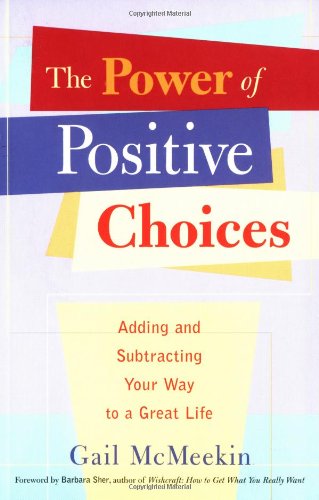
The Power of Positive Choices: Adding and Subtracting Your Way to a Great Life– June 21, 2001 by Gail McMeekin (Author)
Your Inner Truth
” To some people, finding their inner truth is about connecting to a deep wisdom within that belongs to a larger consciousness or universal energy. Discovering their inner truth is a spiritual quest for them.“
https://ideapod.com/what-is-your-inner-truth/
Here’s four questions to know your inner truth:
- Who am I?
- What’s my purpose?
- Why am I here?
- Where am I going with my life?
Additional Resource:
Shows how ignoring painful memories and experiences can negatively affect every aspect of our lives. He presents strategies to help listeners transform the pain of the past into the power of the future. Living the Truth is as comforting and rewarding as it is transformative.
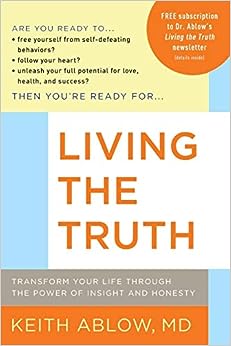
Living the Truth: Transform Your Life Through the Power of Insight and Honesty – April 9, 2008 by Keith Ablow MD (Author)
Becoming Self-aware
” Self-awareness is your ability to perceive and understand the things that make you who you are as an individual, including your personality, actions, values, beliefs, emotions, and thoughts. Essentially, it is a psychological state in which the self becomes the focus of attention.“
https://www.verywellmind.com/what-is-self-awareness
There are four things that happen when your becoming self-aware:
- An understanding who you are as an individual
- Includes your personality, actions, values, beliefs, emotions, and thoughts
- A psychological state of mind
- Being more attentive of the world around you
Additional Resource:
His explanation of quantum physics for lay readers, called “a model of clarity” by Kirkus Reviews, sets the stage for a voyage of discovery through the common ground of science and religion, the entwined nature of mind and body, and our interconnectedness with all of creation.
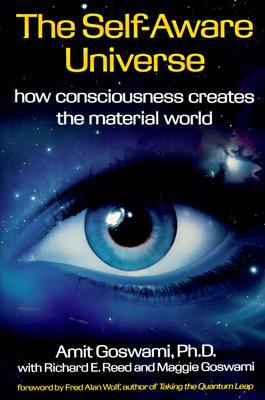
The Self-Aware Universe: How Consciousness Creates the Material World– Illustrated, March 21, 1995 by Amit Goswami (Author)
Knowing your Worth
” Self-worth and self-value are two related terms that are often used interchangeably. Having a sense of self-worth means that you value yourself, and having a sense of self-value means that you are worthy.“
https://positivepsychology.com/self-worth/
Here’s four ways you start knowing your worth:
- Prioritizing learning over performance
- Adopt prosocial goals
- Reduce external contingencies
- Focus on your strengths
Additional Resource:
Your worth never changed. Your awareness of it did. A strong understanding of self-worth is crucial to living an authentic and fulfilling life, yet so many of us have lost that sense of who we truly are and what we are worthy of.
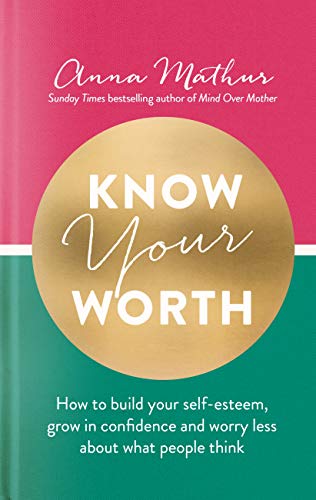
Know Your Worth: How to build your self-esteem, grow in confidence and worry less about what people think – May 13, 2021 by Anna Mathur (Author)
To identify possible outcomes in your choices, ask yourself these 5 questions:

Take the next step in making your dreams a reality.
Taking Action
“ Taking action is one of the most necessary steps in effectuating life changes. The key is to think about motivation as the desired outcome for completing a procrastinated action.”
Here’s four ways taking action to advance benefits you:
- A necessary step in effectuating life changes
- The motivation as the desired outcome for completing a task
- Discipline is self-control and mental toughness to achieve your goals
- The ability to assess the situation and focus on one aspect to act upon
Additional Resource:
Self-discipline is what will keep you focused when all hell is breaking loose and it looks like you are one step away from failure. It will give you the mental toughness required to dismantle the limitations you have placed on yourself and break through all obstacles standing in the way of your goals.
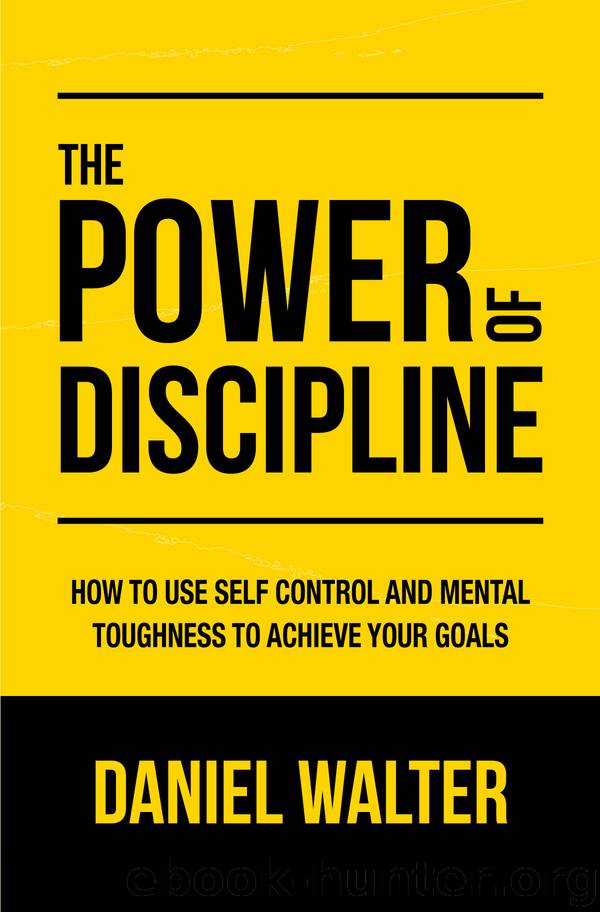
The Power of Discipline: How to Use Self Control and Mental Toughness to Achieve Your Goals – April 8, 2020 by Daniel Walter (Author)
Eliminate Excuses!
“ They are causing you to limit yourself. These reasons for making excuses keep you going down the same old path, preventing you from growing or branching out.”
Here’s eight ways you can eliminate excuses:
- Take responsibility
- Shift your perspective
- Uncover your limiting beliefs
- Change your story
- Find the lesson
- Stop overthinking
- Define your vision
- Setting goals
Additional Resources:
He uses examples from his own life to teach readers how to gain financial freedom for themselves. Most importantly, Winters stresses how self limitation is damaging and holds people back, keeping them from achieving the successful lives they desire.

Live the Dream: No More Excuses – April 3, 2012 by Larry Winters (Author)
The Right Moment
“ Right away. Take charge and begin creating the life of your dreams. That’s what life is about — following your heart, chasing your goals, and making the best of what you have.”
https://www.drroopleen.com/why-you-should-stop-waiting-for-the-right-moment-now-is-the-right-time/
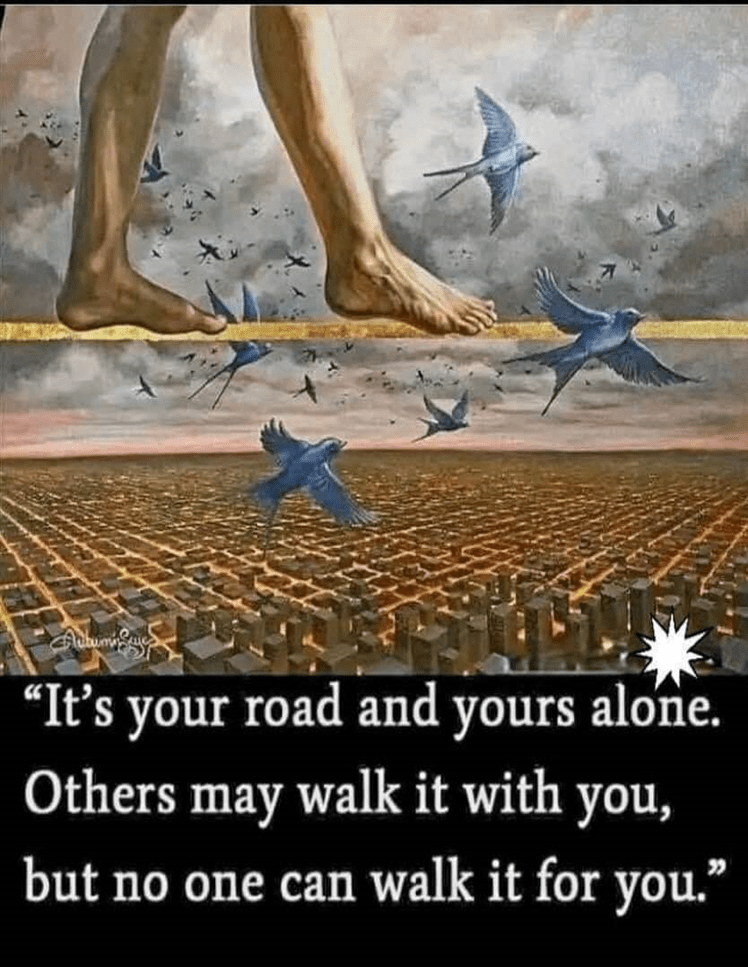
Here’s seven areas waiting for the right moment will require of you:
- Be willing to take risks
- Focus with task at hand
- Workout the negative
- Be honest with yourself
- Step out of your comfort zone
- Set higher standards for yourself
- Forget the past and welcome the future
Additional Resource:
For the weary, the cranky, and the fearful, this energizing message invites us to participate in a vision for a world greater than the one we find ourselves in today. This is spirituality in action; this is practical and powerful activism for our times.

The Time Is Now: A Call to Uncommon Courage – March 5, 2019 by Joan Chittister (Author)
Failure Leads to Success
“ Failures often lead to success because they allow you to test and try what doesn’t work to discover what does.”
https://www.indeed.com/career-advice/career-development/failures-lead-to-success
Here’s five ways failures lead to success:
- A redirection
- Creates new opportunities
- A re-learning process
- Inspires courage
- Offers growth
Additional Resource:
We can pursue from the place where our greatest potential is held, our Inner Core, by activating Five Core Energies: Purpose, Wisdom, Growth, Love, and Self-Realization.
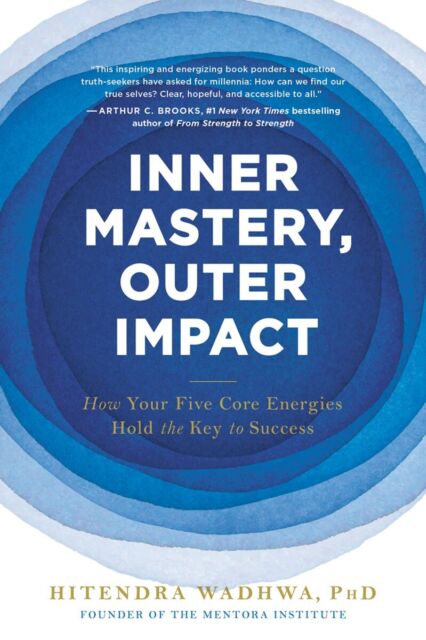
Inner Mastery, Outer Impact: How Your Five Core Energies Hold the Key to Success – June 7, 2022 by Hitendra Wadhwa PhD (Author)
Here’s 5 questions to ask yourselves on how failure leads to success:
https://willamette.edu/arts-sciences/5-great-questions-to-ask-yourself-after-a-failure.pdf

Your journey to self-discovery begins today.
Follow Through
“ Decision-making can be stressful, and follow-through is essential. You may need to accept that panic, fear, and lack of self-confidence are often part of the decision-making process .”
https://www.psychologytoday.com/us/basics/decision-making
Here’s six reasons why you follow through with these decisions:
- Based on useful information
- Sounds reasonable
- Helpful frame of mind
- Shows clear values
- Other creative alternatives
- A commitment to follow through
Reconnect with Yourself!
“ Reconnecting with yourself gives you a chance to celebrate your gifts and understand what really drives you.”
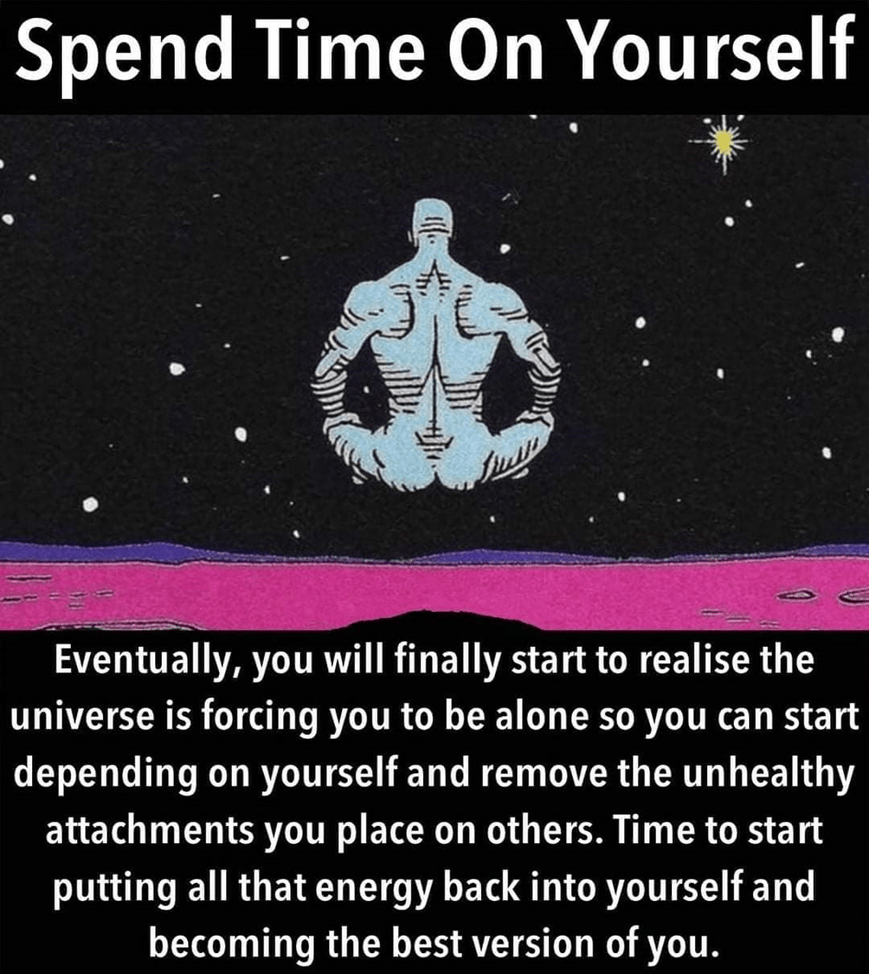
Here’s six ways to reconnect with yourself:
- Check-in with yourself regularly
- Pay attention to your feelings
- Follow your energy
- Learn the language of your body
- Sit and just BE
- Write down your dreams
https://www.mudcoaching./how-to-connect-with-yourself-everyday-and-why-you-need-to
Additional Resource:
Connection brings readers an eye-opening and actionable guide that teaches how to nurture your own self-knowledge and integrity―and how to use that knowledge to shape a life rich with meaning and purpose.
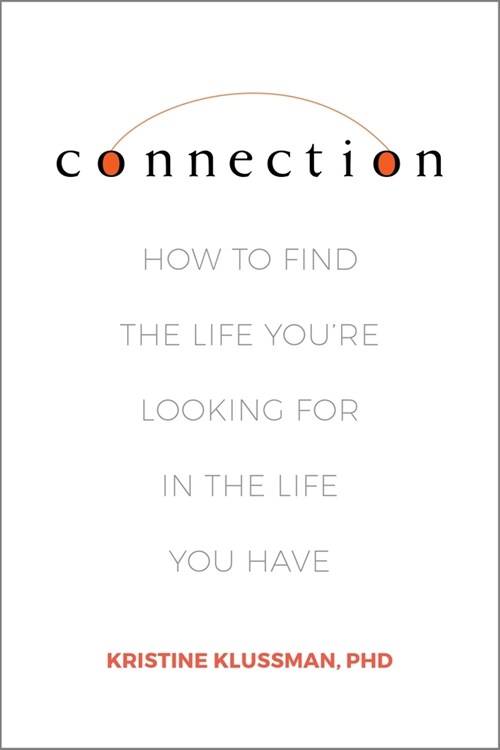
Connection: How to Find the Life You’re Looking for in the Life You Have – April 13, 2021 by Kristine Klussman PhD (Author)
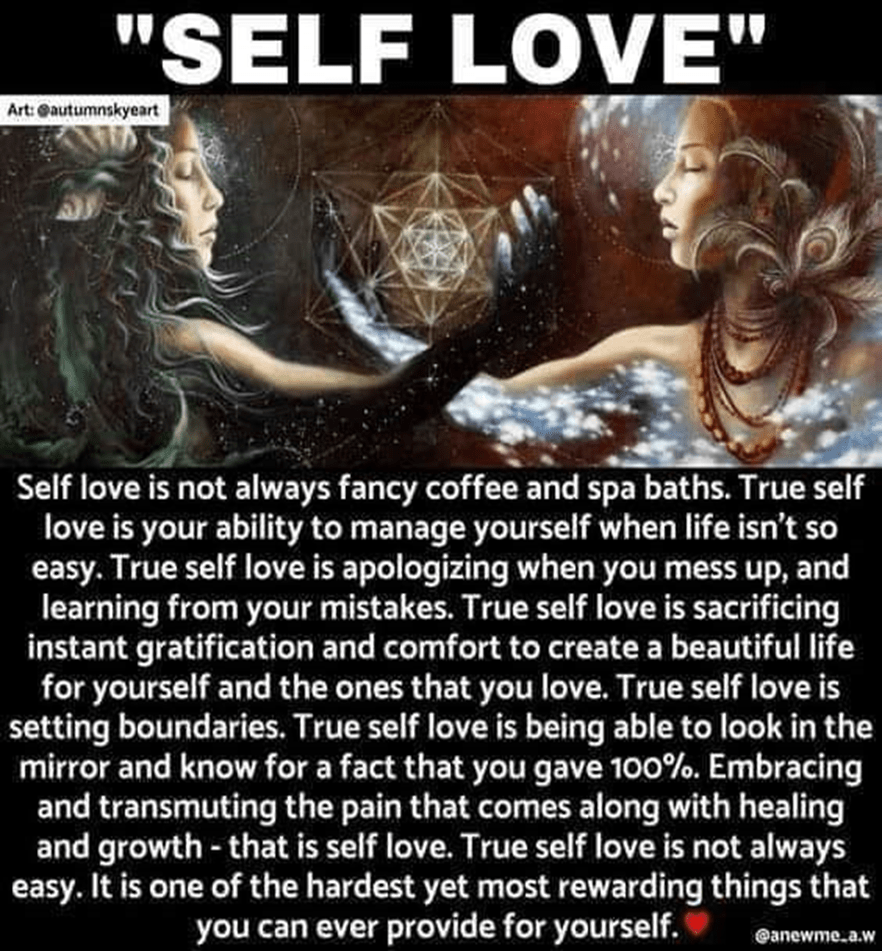
Self-compassion
“ Drawn from Buddhist psychology, self-compassion is not the same as self-esteem or self-confidence. Instead of a way of thinking about yourself, it is a way of being or a way of treating yourself.”
Here’s five ways to show yourself self-compassion:
- Practice gratitude
- Be kind to yourself
- Forgive yourself
- Unlearn bad habits
- Treat yourself
Additional Resource:
Dr. Neff’s extraordinary book offers exercises and action plans for dealing with every emotionally debilitating struggle, be it parenting, weight loss, or any of the numerous trials of everyday living.
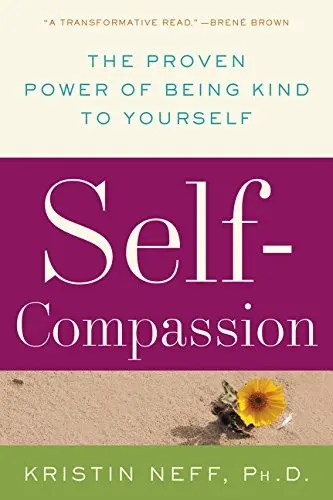
Self-Compassion: The Proven Power of Being Kind to Yourself – June 23, 2015 by Dr. Kristin Neff (Author)
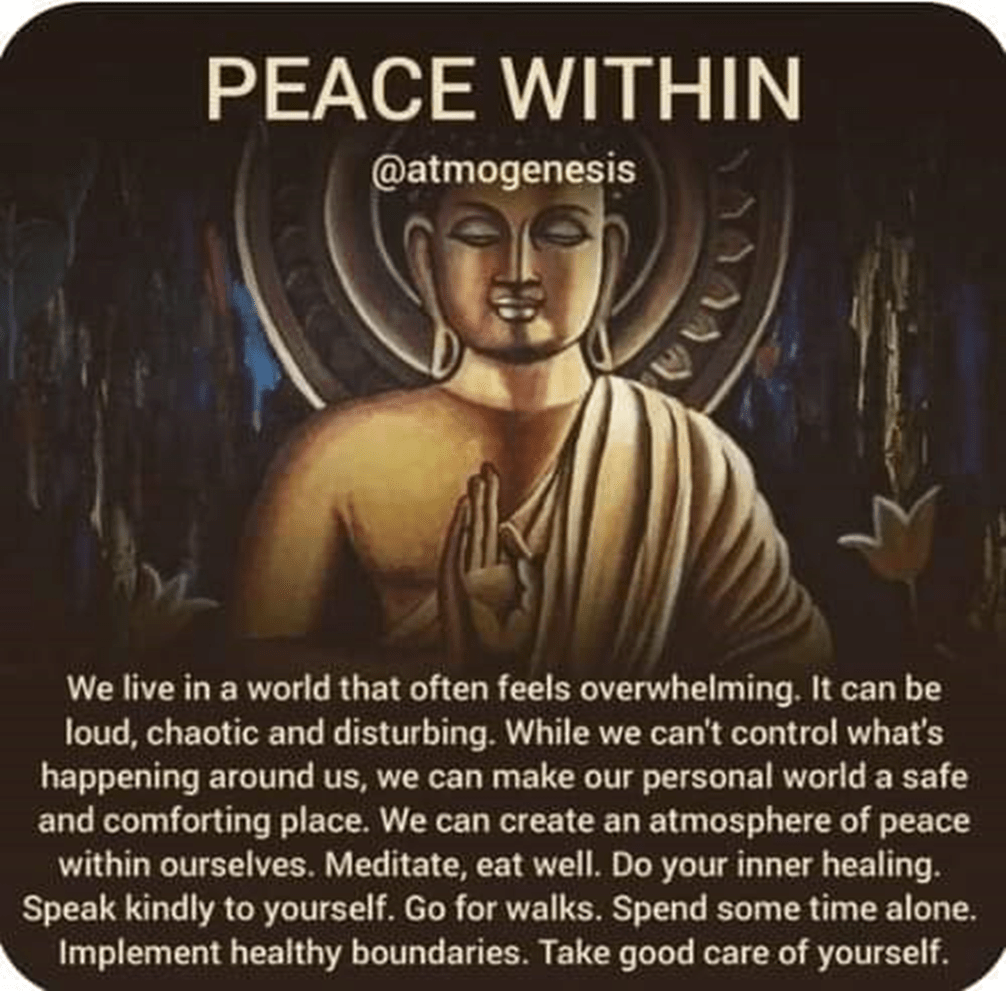
Be One with Self
“ Being yourself can feel risky, and it is. There may be people in your life who have fully bought into the idea that being a certain way and presenting a certain image is all that matters.”
Here’s five ways to be one with self:
- Accept yourself as you are
- Identify negative self-talk
- Celebrate your strengths
- Express yourself freely
- Show your vulnerability
Additional Resource:
Being self-aware refers to having a thorough knowledge and awareness of oneself, which includes being aware of one’s own emotions and personality characteristics.

How To Be The Best Version Of Yourself: Self Awareness, Self Care, Self Motivation, Self Improvement – November 17, 2021 by Yulia Astari (Author)
Here’s 26 Questions to help you know yourself better:
https://psychcentral.com/Questions-to-help-you-know-yourself-better

Tap into your infinite potential and honed them.
Chapter 4:
Authentic Self
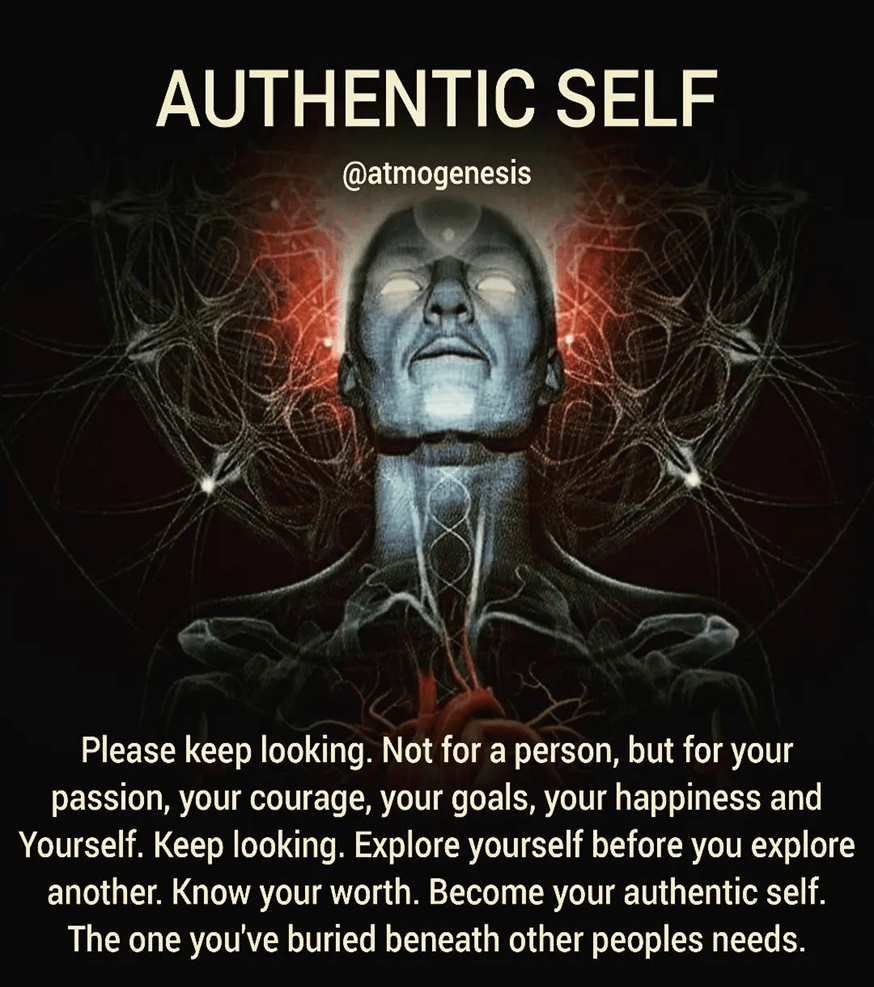
“ Living authentically is key to living a healthy, happy, and meaningful life. It is the choice to live your life in alignment with your core values and honest beliefs and choosing to speak and act in ways that reflects those values and beliefs.”
Here’s seven ways you can become your authentic-self:
- Observe yourself objectively
- Examine family beliefs
- A dialogue between adaptive-self and authentic-self
- Identifying discrepancies
- Examine your doubts
- Explore your values
- Release patterns and beliefs that no longer serves you
https://www.psychologytoday.com/develop-authenticity-20-ways-be-more-authentic-person
This chapter focuses on three main aspects of authentic-self:
1. Self-exploration
2. Personal growth
3. Self-Discovery
Additional Resource:
Sarah Ban Breathnach explores the nine stages necessary to living authentically: Sensing, Surviving, Settling, Stumbling, Selling Out, Starting Over, Searching, Striving, and finally, Something More.
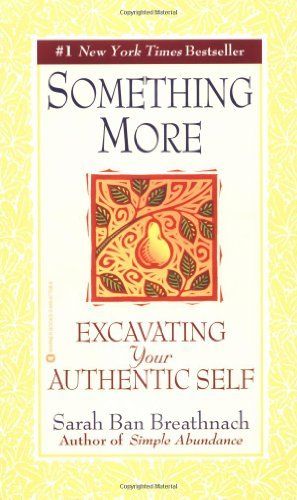
Something More: Excavating Your Authentic Self – January 1, 1998 by Sarah Ban Breathnach (Author)
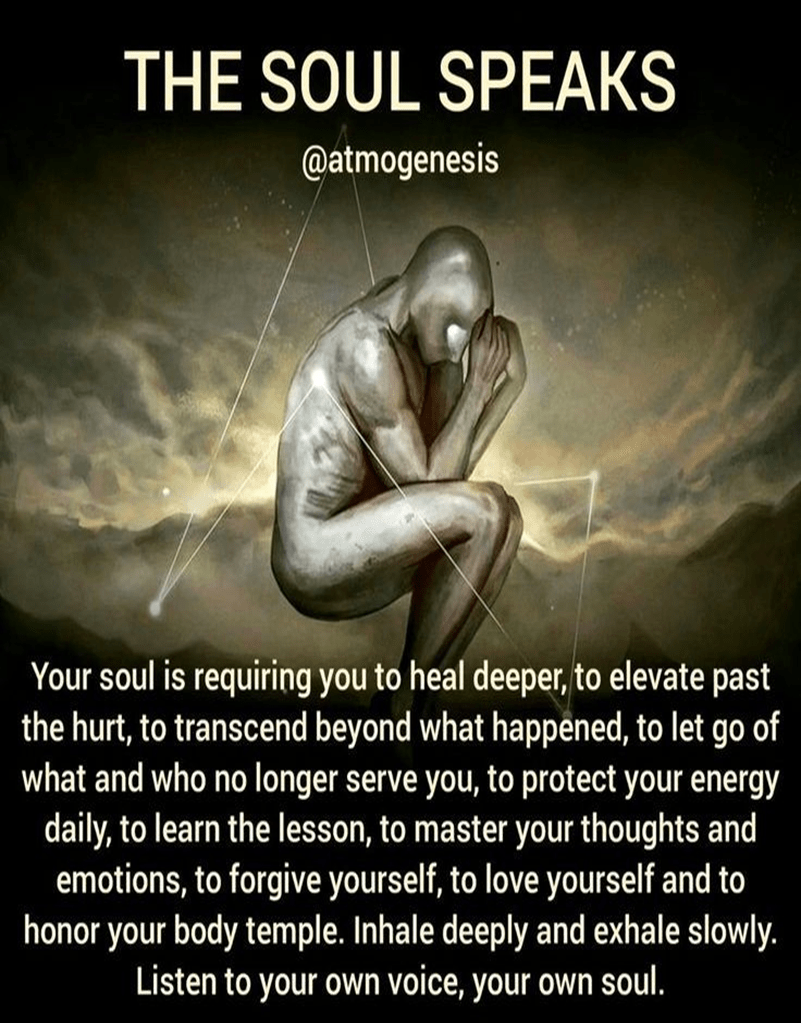
Self-exploration
“ Through self-exploration we get the value of ourselves. It is a process of focusing attention on ourselves, our present beliefs and aspirations vis-à-vis what we really want to be (that is to say, what is naturally acceptable to us).”
https://courseware.cutm.ac.in/wp-content/Session-3-LN-HVE-MSSoA.pdf
There are six ways you can start the self-exploration process:
- Dialogue about ‘who you are’ and ‘who you really want to be.’
- Self-evolution through self-investigation
- Recognizing one’s relationship with everything existence and fulfilling it
- Knowing human conduct, human character and living accordingly
- Being in harmony with oneself and in harmony with entire existence
- Moving towards self-organization and self-exploration
Additional Resource:
Don Miguel Ruiz reveals the source of self-limiting beliefs that rob us of joy and create needless suffering. Based on ancient Toltec wisdom, offering a powerful code of conduct that can rapidly transform our lives to a new experience of freedom, true happiness, and love.
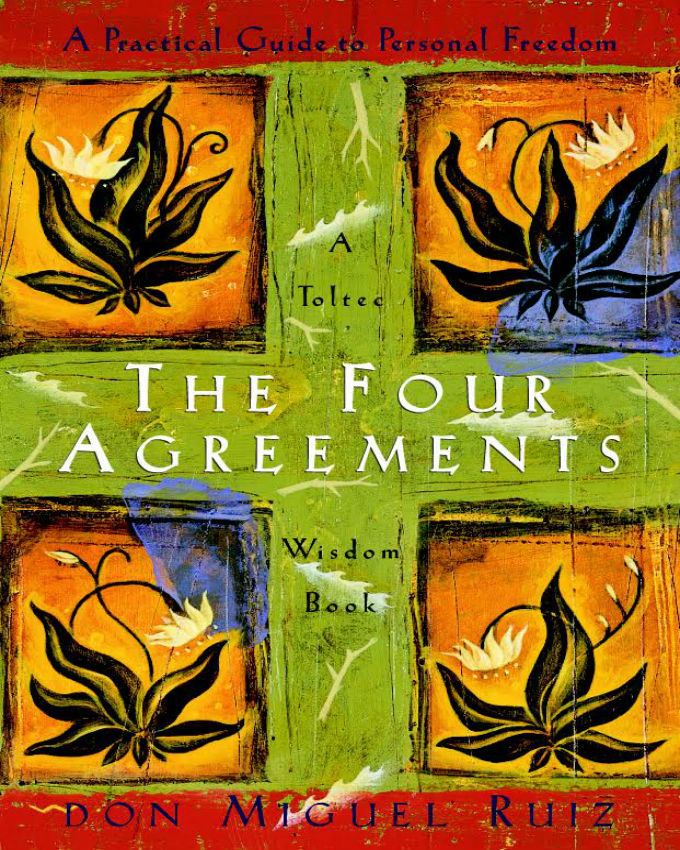
The Four Agreements: A Practical Guide to Personal Freedom (A Toltec Wisdom Book) – November 7, 1997 by Don Miguel Ruiz (Author)
Natural acceptance
“ Natural acceptance implies unconditional and total acceptance of the self, people, and environment. It also refers to the absence of any exception from others. Once we fully and truly commit ourselves on the basis of natural acceptance, we feel a holistic sense of inner harmony, tranquility, and fulfilment.”
There are five examples of natural acceptance:
- Remains invariant with time
- Does not depend on place
- Regardless of how deep our beliefs are or past conditioning
- Is ‘constantly there’ and is something we can refer to
- A commonality amongst all of us
Additional Resource:
If you’ve always felt more delicate, more easily overwhelmed by sensory input, and more empathetic than those around you, you are probably an HSP. Sensitivity is a blessing, but it’s hard to thrive as an HSP in a competitive society that perceives emotional expression as a sign of weakness.
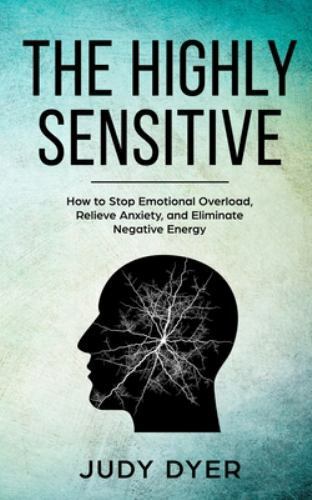
The Highly Sensitive: How to Find Inner Peace, Develop Your Gifts, and Thrive – September 1, 2018 by Judy Dyer (Author)
Experiential validation
“ Benefits of Experiential Validation: Enhances personal growth: By trying new experiences and engaging in self-discovery, individuals can broaden their perspectives and gain a better understanding of their beliefs, values, and motivations, leading to greater self-awareness and personal growth.”
There are six ways experiential validation benefits you:
- Enhances personal growth
- Increases self-confidence
- Improves decision making
- Engaging in self-reflection
- Accepting thoughts and feeling
- Reflection on your progress
Additional Resource:
In a fast-paced and innovative world, traditional training methods can no longer be relied on to improve performance, engagement or promote behavioural change. Experience-based learning, in which the experience is central to the learning process, is more affordable, appealing and effective than ever before.
Experiential Learning: A Practical Guide for Training, Coaching and Education 4th Edition
by Colin Beard (Author), John P. Wilson (Author)
Here are 4 questions to ask as you explore your inner selves:
https://www.healthline.com/health/self-discovery#ask-questions
Personal growth
“ Growth is about overcoming our tendency to respond quickly or negatively. Steps to personal growth include learning how to respond better to situations and finding those we can learn from on our journey. Reframing our mindset to be more solution-focused than reactive can ultimately help make our lives happier.”
https://www.psychologytoday.com/meditation-modern-life/the-path-personal-growth
Here’s six ways to develop personal growth:
- Become aware using holistic approach
- Make room for your past
- Limit social comparison
- Build healthy habits consistently
- Embrace for discomfort
- Take it slow
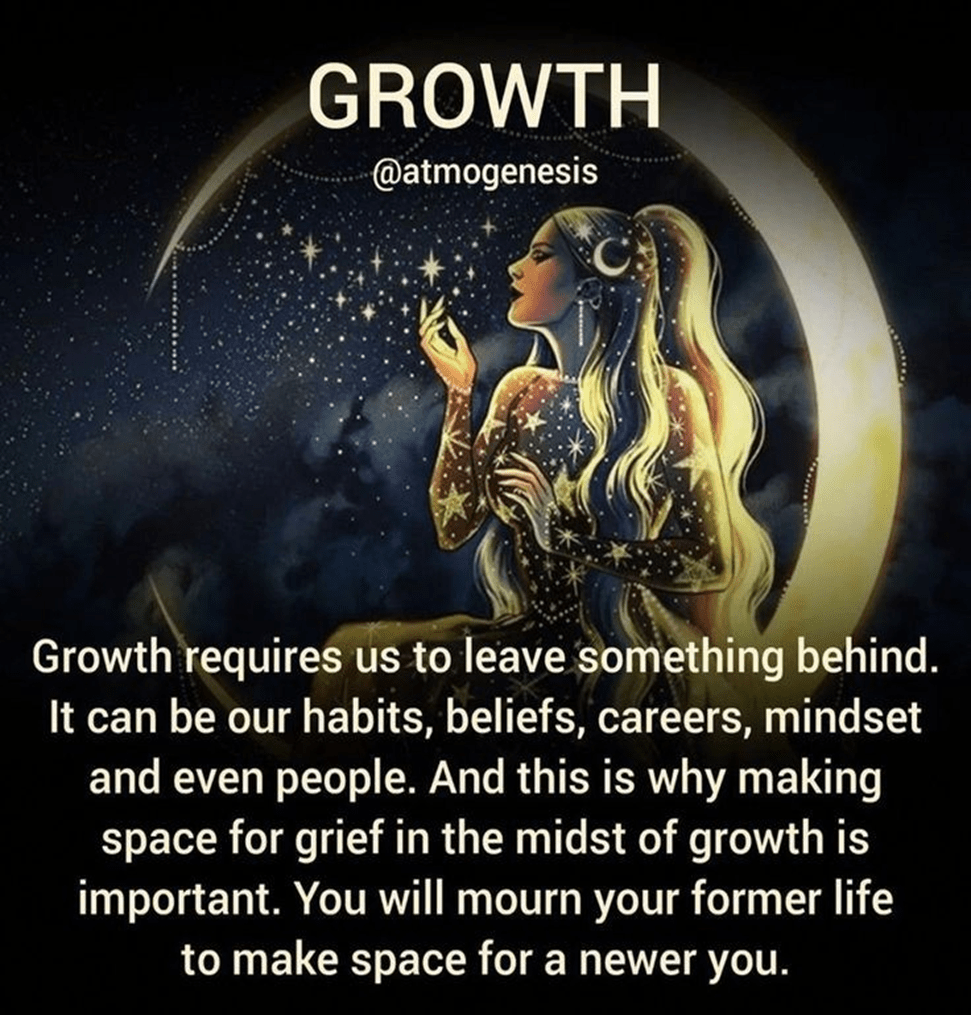
https://www.psychologytoday.com/10-ideas-to-support-you-on-your-personal-growth-journey
There are five stages of personal growth:
- Asleep
- Awakening
- Integration
- Acceptance
- Application and Service
Additional Resource:
Jung predicted how the brain works: We start largely undifferentiated and grow with biases, then conflicts and crises arise inevitably, and we can retreat from those opportunities or we can choose to reinvent ourselves. What is your choice?
The Magic Diamond: Jung’s 8 Paths for Self-Coaching – September 3, 2020
by Dario Nardi (Author)
Asleep
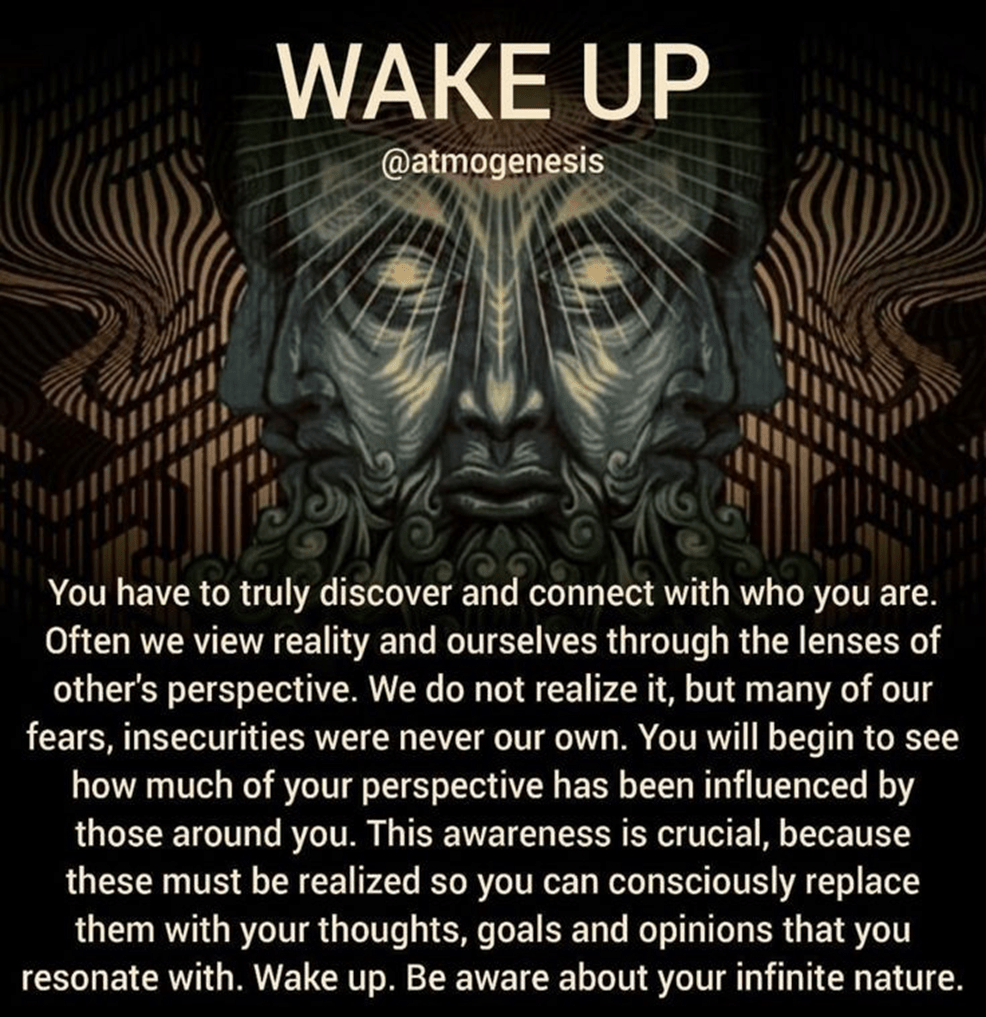
“ It refers to individuals who are not fully aware of their true selves, their desires, and their potential. They are often governed by societal norms, expectations, and conditioning, which prevent them from expressing their authentic selves.”
https://www.kathieowen.com/blog/reality-transurfing-self-awareness
Here’s five signs you are asleep:
- Feel drained or lack of energy
- Unmotivated or over simulated
- Stuck in the past or anticipating the future
- Face numerous obstacles or constant setbacks
- Disconnected from yourself and the Universe
Additional Resource:
A startling and haunting novel, 1984 creates an imaginary world that is completely convincing from start to finish. No one can deny the novel’s hold on the imaginations of whole generations, or the power of its admonitions—a power that seems to grow, not lessen, with the passage of time.

1984 – April 4, 2017 by George Orwell (Author)
Awakening
“ Simply put, awakening begins with an abrupt nondual embodiment. What follows, the path of verification in the nitty gritty details of training and in life, is of equal or greater importance.”
Here’s six signs you may experience during an awakening:
- Discomfort, aches, and pain
- Headaches, nausea, and dizziness
- Burst of energy running through you
- Quickly shifting from love and joy to depression and despair
- Intense dreams and unusual sleep patterns
- Heightened sensitivity
Additional Resource:
So, if you’re wondering what lies beyond your cognition, if you want to improve your intuition and tap into reason greater than logic, and if you want to see the world through new perspectives, then come along as I guide you on this journey through the wonderful, peculiar, and dazzling world beyond the gateway of consciousness.
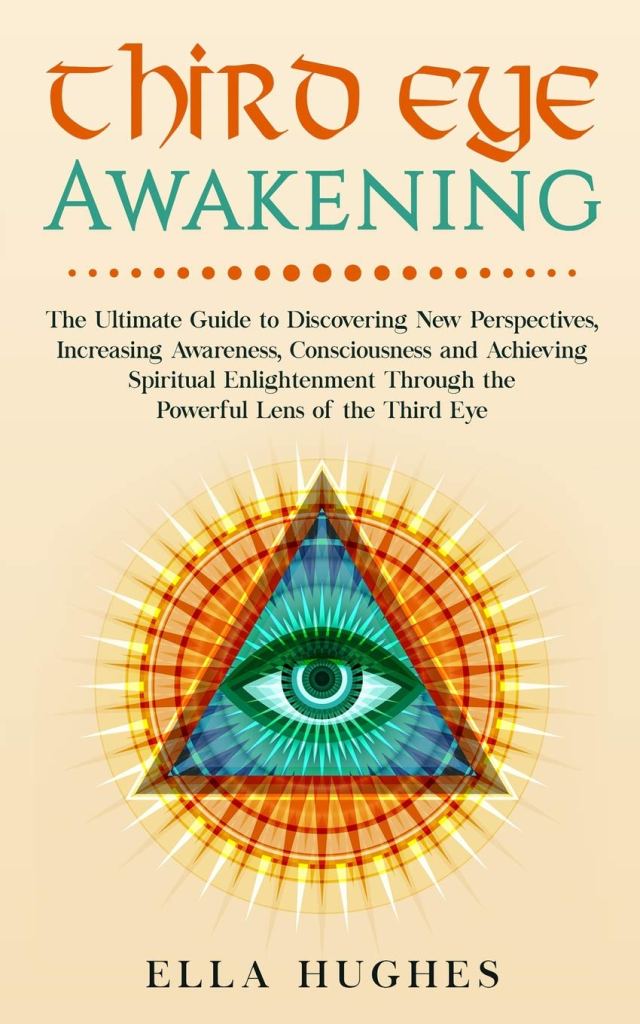
Third Eye Awakening: The Ultimate Guide to Discovering New Perspectives, Increasing Awareness, Consciousness and Achieving Spiritual Enlightenment Through the Powerful Lens of the Third Eye – March 26, 2019 by Ella Hughes (Author)
Integration
“ To integrate your life, you must remain grounded in your authentic self, especially when the outside world is chaotic.”
https://www.theglobeandmail.com/staying-grounded-is-key-to-balancing-life-and-leadership/
There are three ways you can use integration:
- Blending personal and professional needs together
- Emphasizes creativity, adaptation, critical reasoning, and collaboration
- Using practical such as, communication, problem-solving, time-management, and decision-making
Additional Resource:
The question of a new understanding of Time, and of what the life means in the light of this understanding, is discussed. The possibility of a change in the time-sense, with a changed feeling of oneself, enters into this question. The meaning of eternity, about which we have really erroneous notions, comes under consideration, and finally the idea of the recurrence of the life is reviewed.

LIVING TIME: And The Integration Of The Life – May 4, 2020 by Maurice Nicoll (Author)
Acceptance
“ Acceptance means fully acknowledging the facts of a situation and not fixating on how it shouldn’t be that way. This mindset moves us away from often harsh judgement of ourselves and allows us to break away from thoughts of guilt or unfairness.”
There are six things that can happen when gain acceptance:
- You will start to have more faith in yourself
- Ability to think more rationally
- Learn how to be truly happy again
- Able to move forward without regrets
- Choose to give up unhealthy habits
- Influence others through the process
Additional Resource:
She writes, “To embrace reality is an act of total renewal. When we dare to see things as they truly are it immediately brings us a feeling of liberation, strength and healing. Therefore it is no coincidence that Buddhists describe ‘experiencing God’ as being ‘completely present’ in reality. To surrender means to let go of the control you think you have in your life.

The Power of Acceptance: End the Eternal search for happiness by accepting what is – November 5, 2013 by Annemarie Postma (Author)
Application and Service
“ The three pillars of service are: Commitment. With yourself, with nature, with others – mentally, physically, and spiritually. Behavior. Making our actions coherent, consistent, and valuable to leave meaningful footprint through them. Community. Where we would like the results of our efforts to be seen. Your community should help your individuality transcend, grow, and enhance your skills and possibilities for the good of the environment.”
There are three ways to be of application and service:
- Commitment– With yourself, with nature, with others (mentally, physically, and spiritually.)
- Behavior- Making our actions coherent, consistent, and valuable to leave a meaningful footprint through them.
- Community– Where we would like the results of our efforts to be seen.
Additional Resource:
This will change your life, but don’t worry–although every life is unique, major transformations have common elements, and Beck provides a map that will guide you through your own life changes. You’ll learn how to navigate every stage, from the first flickering appearance of a new dream to the planning and implementation of your own ideal life.
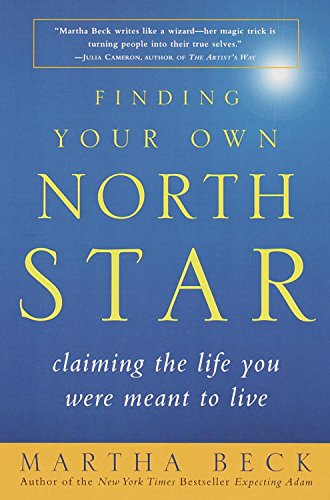
Finding Your Own North Star: Claiming the Life You Were Meant to Live – January 29, 2002 by Martha Beck (Author)
Here’s 15 Questions towards personal growth:
https://www.clevergirlfinance.com/personal-growth-questions/
Self-Discovery
“ The more we discover about who we are and what we are capable of, the more confidence we will have in ourselves. Without confidence, one lives in fear and despair.”
Here’s six ways that can lead to self-discovery:
- Visualizing your ideal self
- Exploring your passion(s)
- Willing to try new things
- Evaluating your skills
- Identifying what you value about yourself
- Asking yourself questions
Additional Resource:
I AM takes readers on a life-changing journey in which they will discover the incredible power they have over their experience of life, finding that the doorway to eternal peace, happiness, and fulfillment lies in one of the shortest sentences in the written word but the most powerful in the universe: I AM.
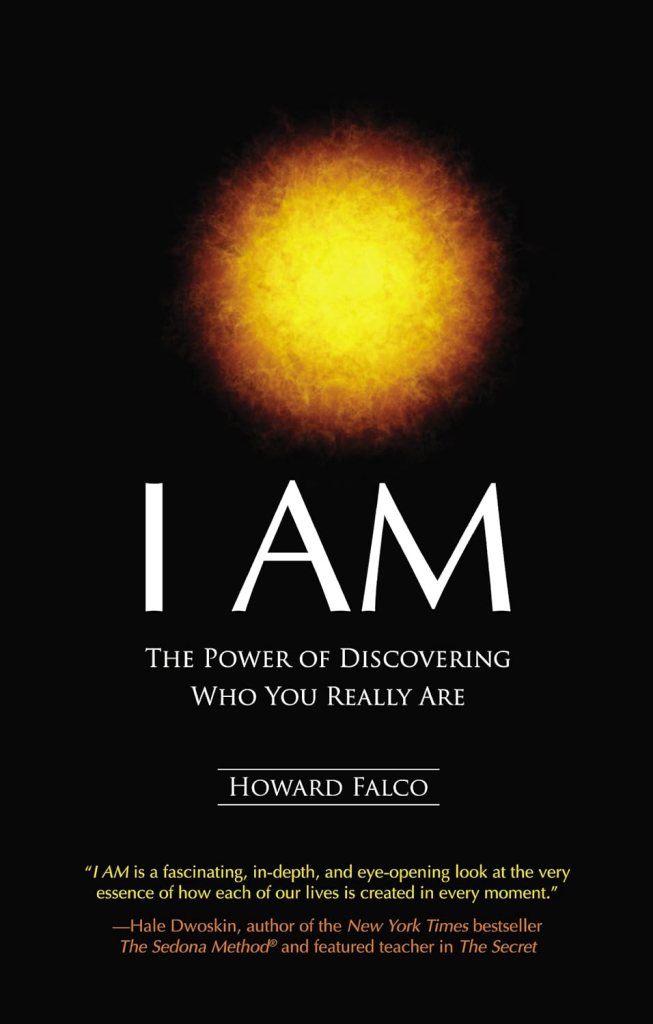
I AM: The Power of Discovering Who You Really Are – September 2, 2010 by Howard Falco (Author)
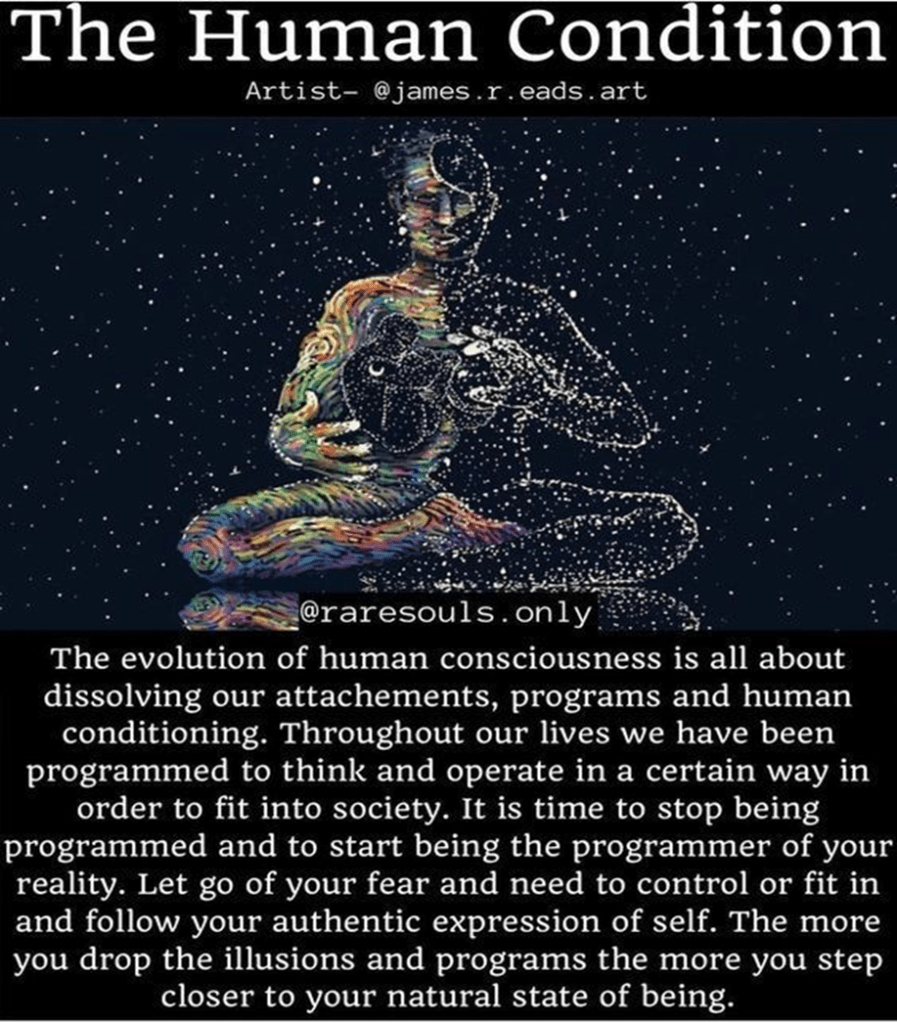
Self-awareness
“ Self-awareness; Self-exploration is about cultivating a deep understanding of your character, feelings, and desires. As you gain awareness of these elements, more parts of yourself will rise to the surface. High self-awareness gives you greater self-control, empathy, creativity, and self-esteem.”
Here’s six benefits to self-awareness:
- Being able to focus on the positive in a negative situation
- Recognizing bad habits and the effect it has on you
- Learning about your emotional triggers
- Able to deal with external factors that are out of your control
- Anticipate how certain events will influence your state of mind
- Better understanding of those around you
Additional Resource:
In this book, author Neville presents a concise, unforgettable statement of his core philosophy: that the world around you is a picture in your mind’s eye, created by your thinking, and susceptible to change by altering your thoughts and feelings.
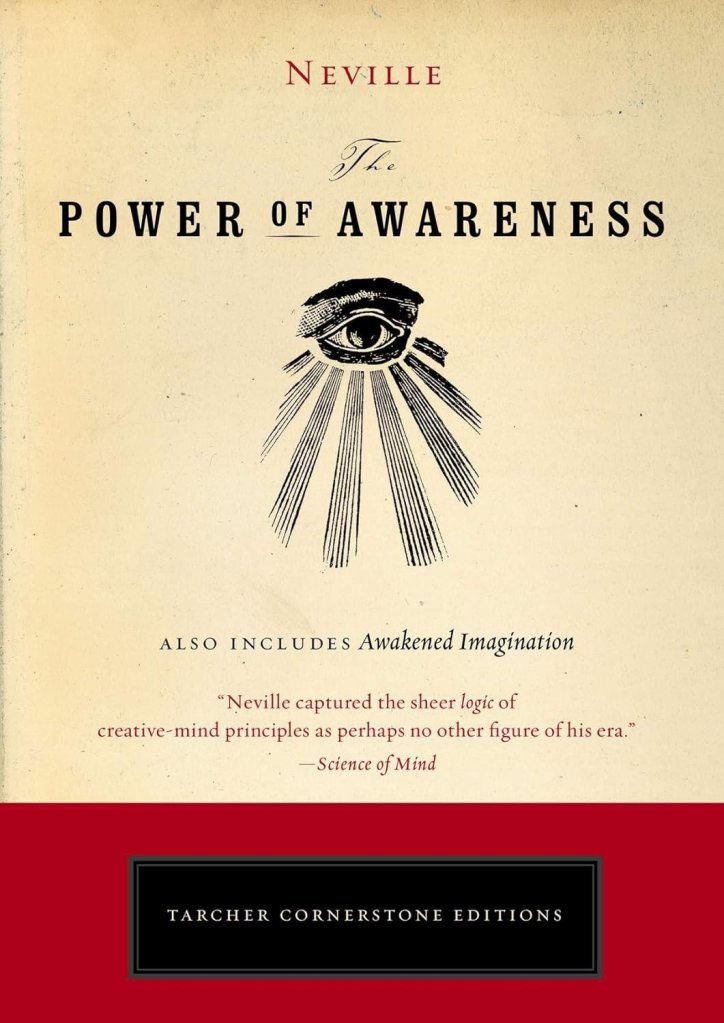
The Power of Awareness (Tarcher Cornerstone Editions) – December 27, 2012 by Neville (Author)
Interest awareness
“ Interest is a powerful motivational process that energizes learning, guides academic and career trajectories, and is essential to academic success. Interest is both a psychological state of attention and affect toward a particular object or topic, and an enduring predisposition to reengage over time.”
Here’s five ways interest awareness can benefit you:
- Build on emerging and well-developed individual interest
- Guided interventions that develop or maintain interest
- Attention-getting situations, contexts evoking prior individual interest
- Problem-based learning and enhancing utility value
- Contribute to an engaged, motivated learning experience
Additional Resource:
Each one of us has within us the potential to be a Master. Learn the secrets of the field you have chosen, submit to a rigorous apprenticeship, absorb the hidden knowledge possessed by those with years of experience, surge past competitors to surpass them in brilliance, and explode established patterns from within.
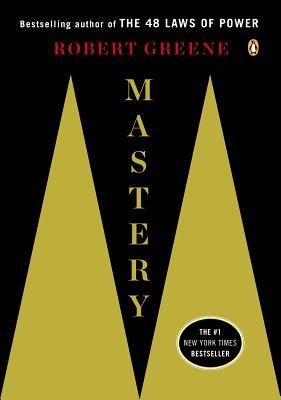
Mastery – November 13, 2012 by Robert Greene (Author)
Hopes and Dreams
“ Aspirations are dreams, hopes, or ambitions to achieve a life goal. They can be thought of as overarching life goals that can help provide a sense of purpose and direction.”
https://www.verywellmind.com/what-are-aspirations
Here’s six examples why hopes and dreams are important:
- Reminds us of our humanity
- Allows us to see the beauty in life
- Is the foundation of our aspirations
- Makes us more resilient and adaptable
- Makes us more optimistic
- Gives us strength when we are grieving or dealing with loss
Additional Resource:
Told with deceptive simplicity, this is the provocative story of a boy who experiences something incredible and undertakes something impossible. In the telling it questions every value we have taken for granted and reexamines our most deeply held beliefs.
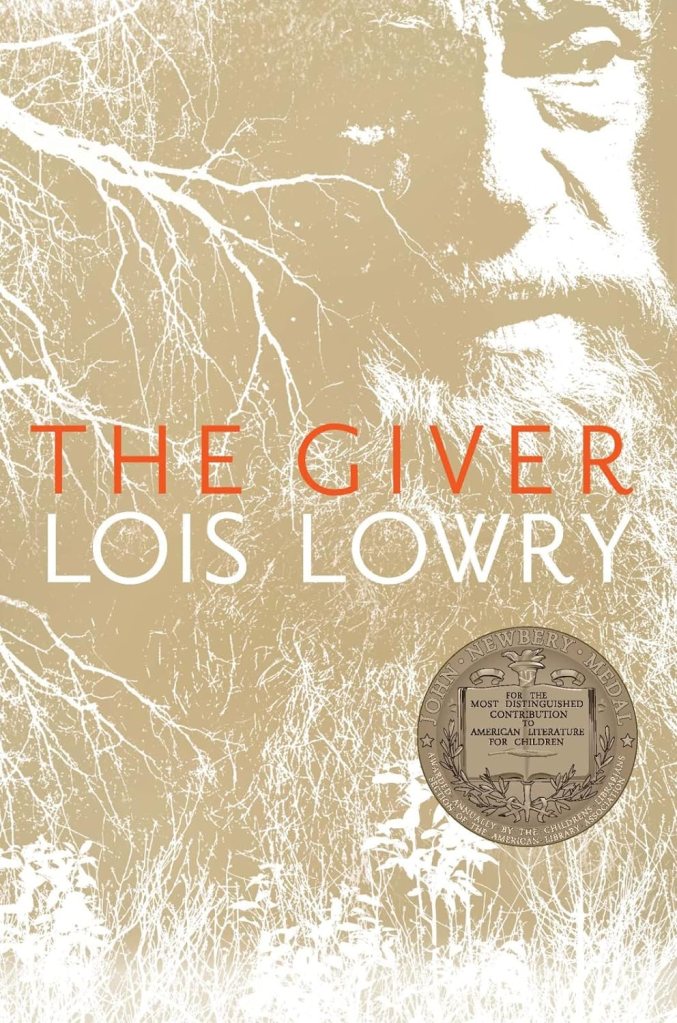
The Giver: A Newbery Award Winner (Giver Quartet, 1) – July 1, 1993 by Lois Lowry (Author)
Career Discovery
“ Reflect on your dreams and goals Take the time to reflect on what you want from your life and what you have enjoyed doing in the past. This period of self-reflection can help you determine what you need to do to make your dreams a reality.”
https://www.herzing.edu/blog/how-find-career-you-are-passionate-about
Here’s six aspects that lead to your career discovery
- Identify the things you care about
- Reflect on what matters the most
- Recognize your strength and talents
- Imagine your best possible self
- Cultivate positive attitude
- Look to people you admire

Additional Resource:
Through inspirational stories and interviews, journal-like prompts, and practical career development information, this helpful resource will steer students, recent graduates, and career-changers toward an authentic, fulfilling life.
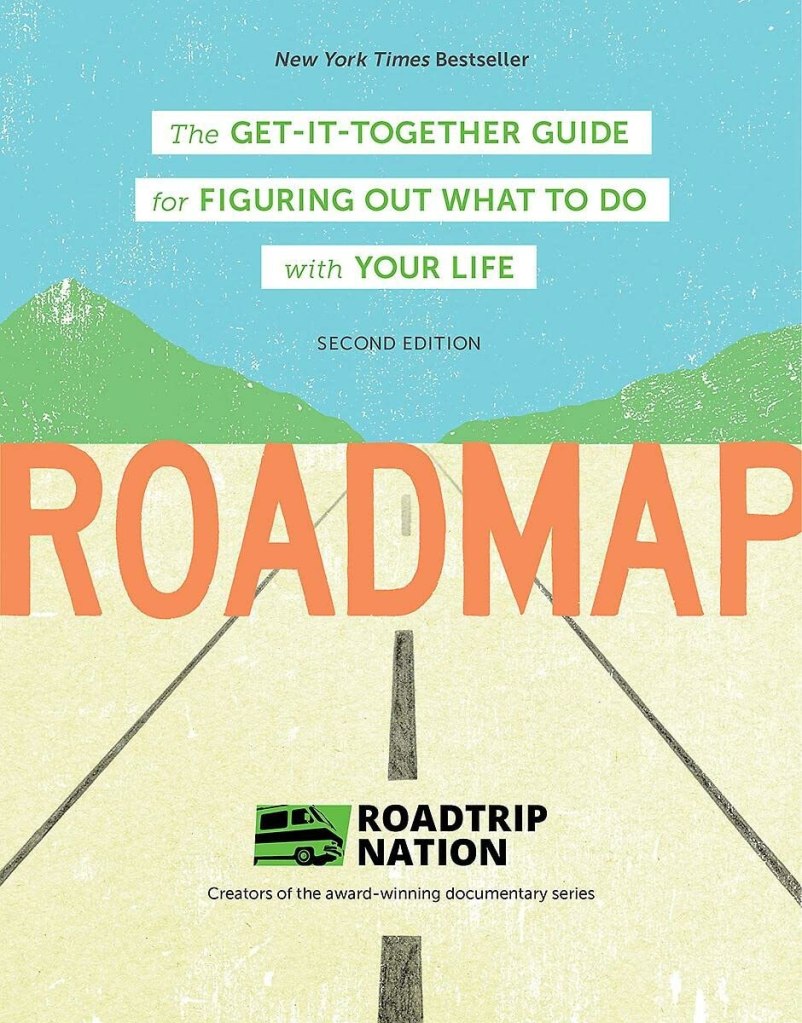
Roadmap: The Get-It-Together Guide for Figuring Out What To Do with Your Life (Career Change, Advice Book, Self Help Job Workbook) – April 7, 2020 by Roadtrip Nation (Author), Brian McAllister (Author), Mike Marriner (Author)
Here’s 30 self-discovery questions to ask yourself:
https://www.counselling-directory.org.uk/30-powerful-questions-to-help-you-discover-your-true-self
Chapter 3
Mind and Body
“Although the mind and body are often viewed as being separate, mental and physical health are actually closely related. Good mental health can positively affect your physical health. In return, poor mental health can negatively affect your physical health. Your mental health plays a huge role in your general well-being.”
https://www.webmd.com/mental-health/how-does-mental-health-affect-physical-health
Here’s eight healing practices for mind and body:
- Meditation and breathwork
- Qi Gong or Tai Chi
- Energy or crystal healing
- Bio-charging
- Earthing or grounding
- Salt bath or sauna
- Sound frequency healing
- Affirmations and Mantras
This chapter focuses on three areas of mind and body:
- Your Overall Health
- Mental Health
- Physical Health
Additional Resource:
Best-selling author and peak performance expert Steven Kotler decodes the secrets of those elite performers – athletes, artists, scientists, CEOs, and more – who have changed our definition of the possible, teaching us how we too can stretch far beyond our capabilities, making impossible dreams much more attainable for all of us.
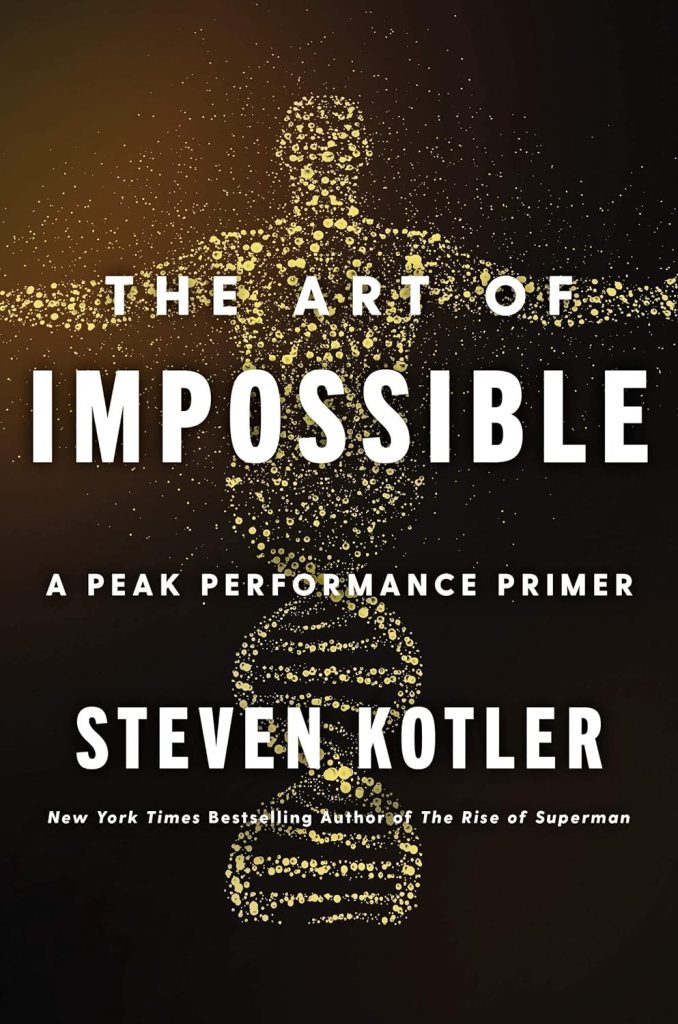
The Art of Impossible: A Peak Performance Primer – January 19, 2021 by Steven Kotler (Author)
Your Overall Health
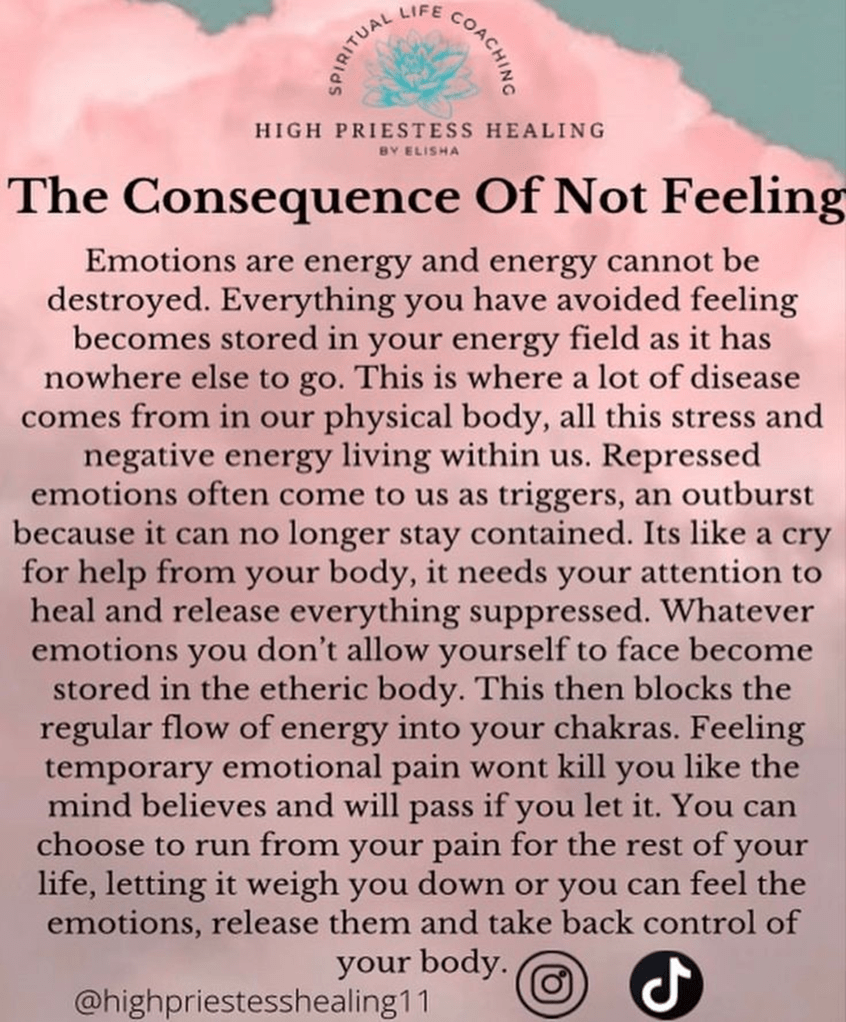
“ Mental health is essential to everyone’s overall well-being. The things that we do physically also impact us mentally, and it’s important to be aware of both physical and mental health. In this way, you can achieve overall wellness. The connection between physical health and mental health is more than what you think it is.”
Here’s six symptoms your overall health is affected:
- Clumsy, rigid, or slow coordination
- Sporadic outburst or faint
- Fatigue or frequently sick
- Nausea and digestive issues
- Experience chronic illnesses or constant pain
- Decreased sexual desires or withdrawn
Additional Resource:
After reading this manual of self-care and happiness, men and women who feel overworked and overwhelmed will have the hope, determination, and skills to: Make good decisions in their own war zones, Manage their time so they can truly live their priorities, Reduce their stress and cope better with conflict, Create the lives they want to live.
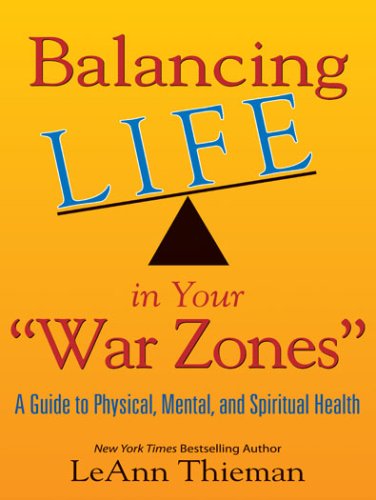
Balancing Life in Your War Zones: A Guide to Physical, Mental, and Spiritual Health Perfect – March 4, 2008 by LeAnn Thieman (Author)
Loneliness and Isolation
“ Loneliness is a state of mind we’re all familiar with, even if we hesitate to talk about it. It’s that sense of emptiness and longing that arises when you notice a gap between your current situation and your desired social life—and it can tie in with all sorts of negative emotions.”
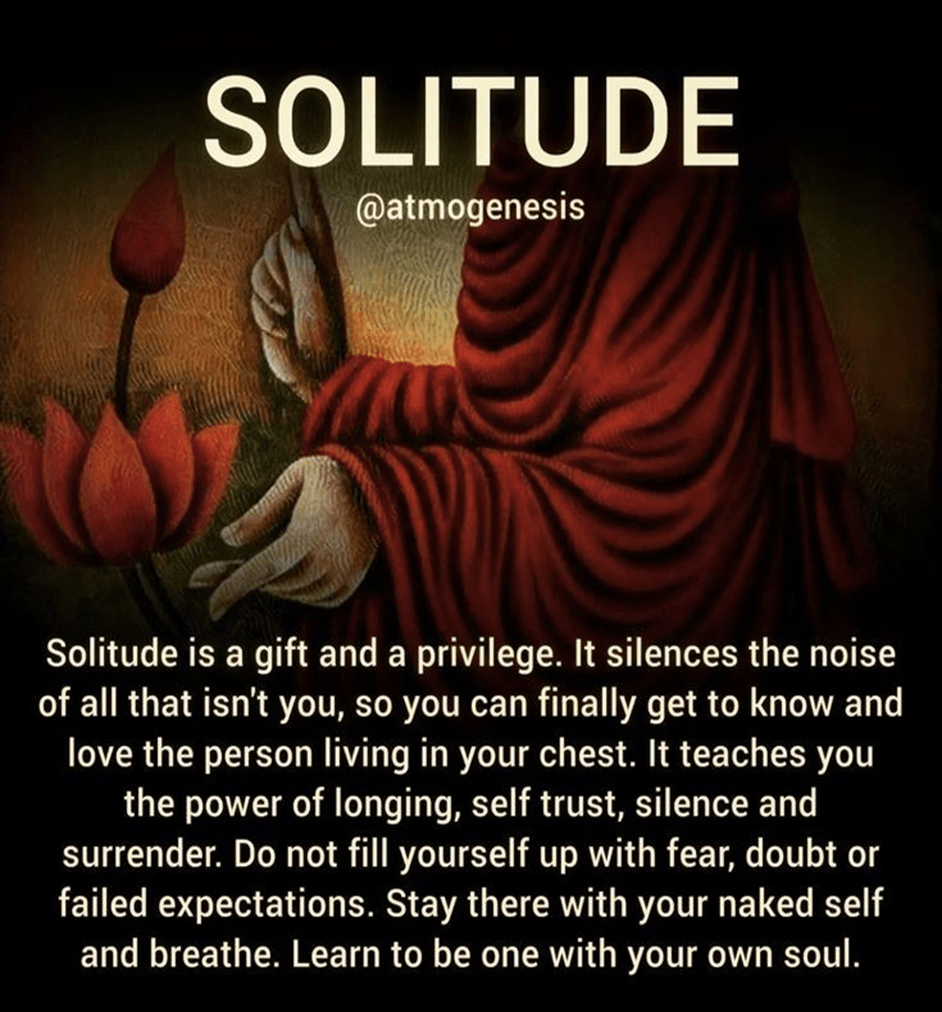
Here’s six pros and cons for loneliness and isolation:
- Heal with productivity and creativity
- Helps our brain recharge
- Can be healthy for relationships
- Alone can make you lethargic
- Spend too much time alone
- Can lead to depression
Additional Resource:
At the time, she thought that she was the only one who felt this way… but she was VERY wrong. Turns out, loneliness is a huge issue in the United States. The average American only has one close friend, and 75% of people are not satisfied with their friendships. The planet is filled with people who feel like they don’t matter.
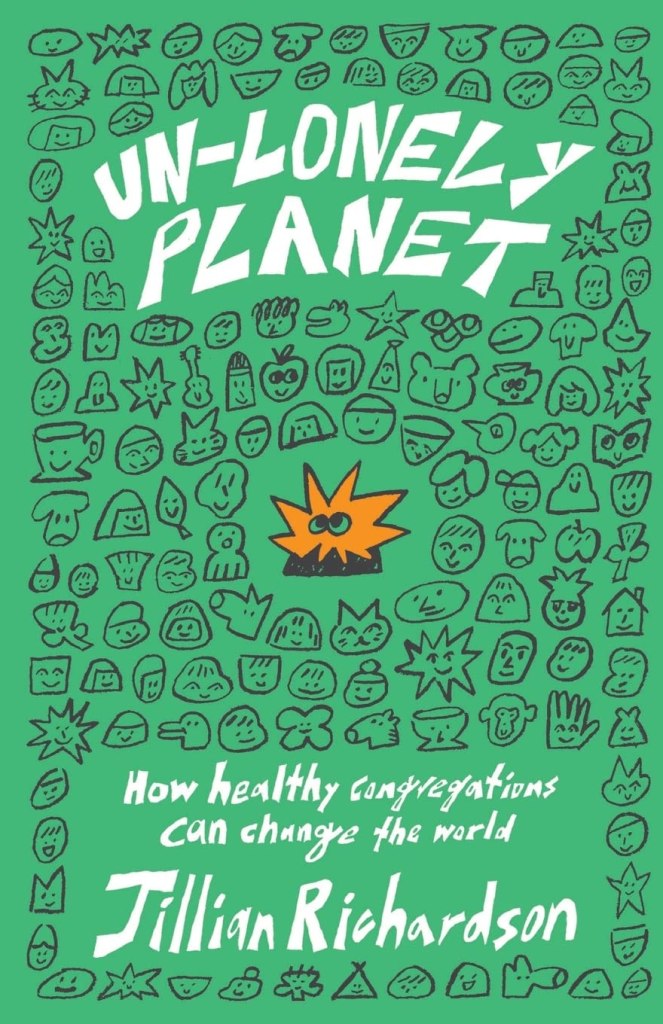
Un-Lonely Planet: How Healthy Congregations Can Change the World – July 26, 2019 by Jillian Richardson (Author)
Grief, Loss, and Shame
“ When we talk about loss, we often mean the death of someone that we love. It is important to acknowledge that people can also experience grief when confronted with other losses such as: the breakup of a relationship, the loss of an important role such as a job, or the diagnosis of a life-changing illness.”
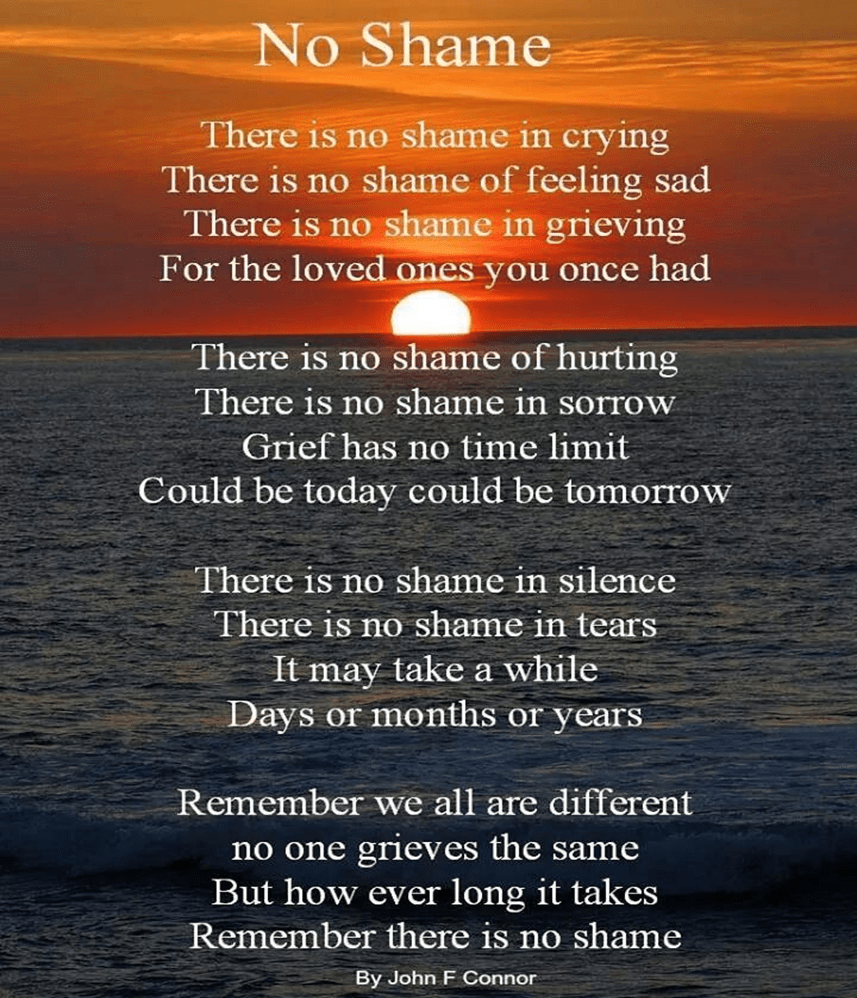
Here’s six aspects of grief, loss, and shame:
- Isolated feelings
- Crisis Identity loss
- Causes disorientation
- Shows vulnerability
- Presents social shuffling
- Embarrassment or humiliated
https://www.psychologytoday.com/us/blog/grace-in-grief/202308/5-surprising-aspects-of-grief
Additional Resource:
Everyone is touched by loss. It begins early in our lives and continues through its various ages and stages. Through the use of real-life vignettes, and fascinating facts on loss and grief within the American cultural landscape, the author sheds light on the ways we grieve and how we can move through it and move on.

Understanding Loss and Grief: A Guide Through Life Changing Events – October 30, 2013 by Nanette Burton Mongelluzzo (Author)
Sleep complications
“ Sleep deficiency can cause problems with learning, focusing, and reacting. You may have trouble making decisions, solving problems, remembering things, managing your emotions and behavior, and coping with change. You may take longer to finish tasks, have a slower reaction time, and make more mistakes.”
https://www.nhlbi.nih.gov/health/sleep-deprivation/health-effects
Here’s seven reasons for sleep complications:
- Circadian rhythm disorders
- Insomnia
- Snoring
- Sleep apnea
- Restless leg syndrome
- Nightmares or night terrors
- Current age
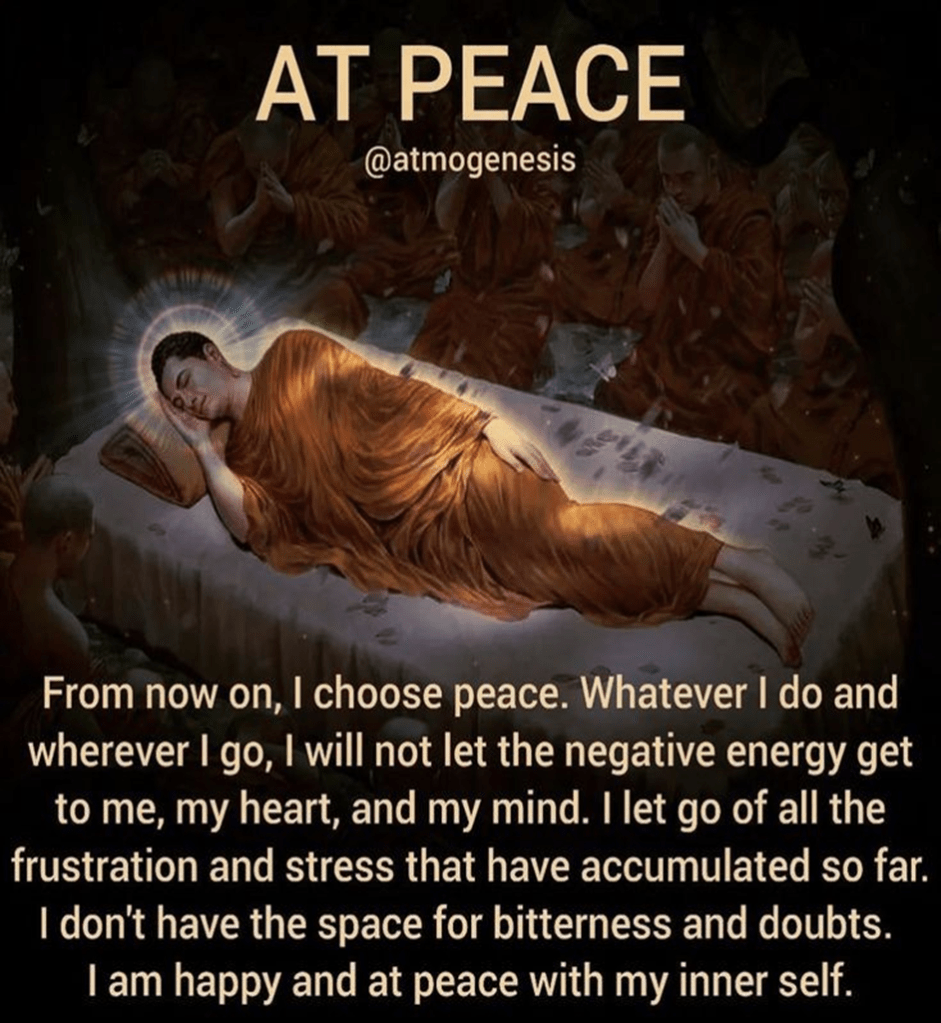
Additional Resource:
If you have insomnia, always feel tired, or can’t sleep because of a restless or snoring partner, help is here. Do you have trouble getting to sleep? Do you take a long time to get up and get going in the morning? Do you wake up feeling like you barely slept at all? Dr. Robert S. Rosenberg will help you identify the issue and provide targeted solutions so you can start awakening refreshed and renewed immediately.
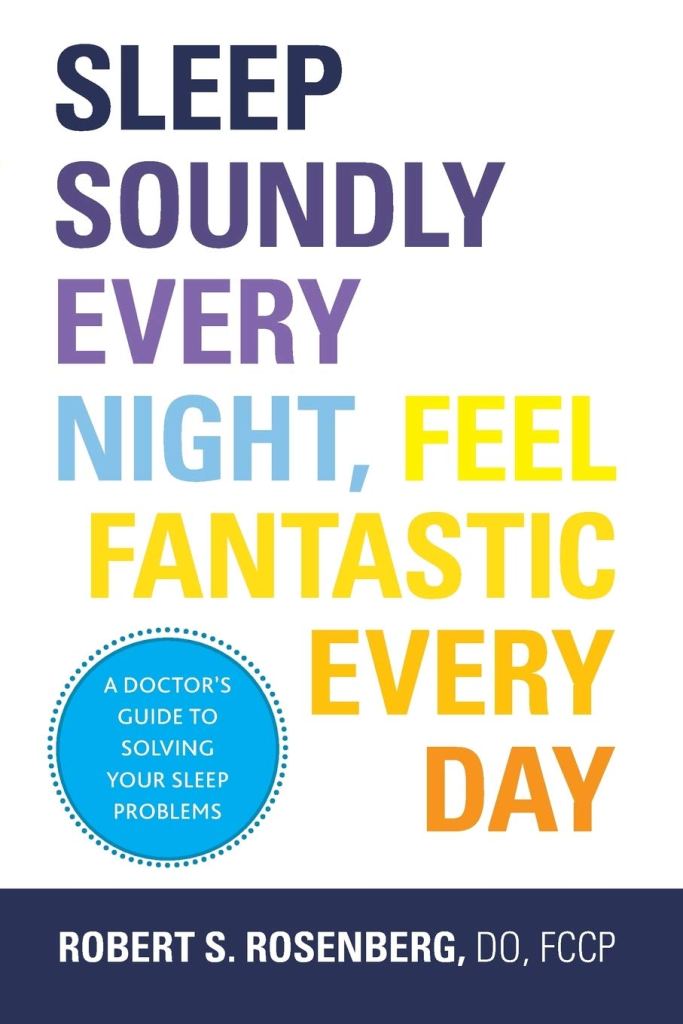
Sleep Soundly Every Night, Feel Fantastic Every Day: A Doctor’s Guide to Solving Your Sleep Problems – June 12, 2014 by Robert Rosenberg DO FCCP (Author)
Alcohol and substance abuse
“ Drugs or alcohol use can range from occasional use through misuse to severe addiction. Addiction is when someone continues to use a substance despite it causing negative consequences. Addiction changes the brain, and people addicted to drugs or alcohol often have uncontrollable cravings for the substance.”
Here’s seven reasons for alcohol and substance abuse:
- Genetic vulnerability
- Self-medicating
- A love-hate relationship
- Deadly attraction
- Overvaluation of the immediate reward
- Stress
- Projection bias
https://www.psychologytoday.com/10-reasons-why-people-continue-use-drugs
Additional Resource:
Discover why some people are far more susceptible to addiction than others as the author illuminates striking neural similarities between drugs and other pleasures potentially capable of causing abuse or addiction–including alcohol, gambling, sex, caffeine, and even Internet overuse. Kuhar concludes by outlining the 12 characteristics most often associated with successful drug addiction treatment.
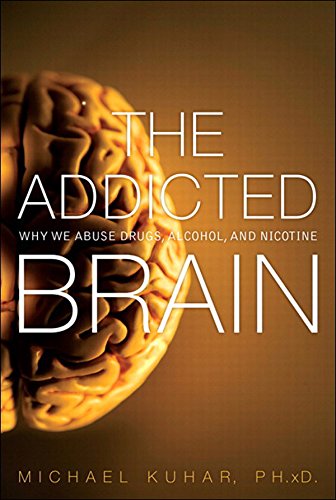
The Addicted Brain: Why We Abuse Drugs, Alcohol, and Nicotine 1st Edition (Nov 2, 2011) – January 1, 1994 by Michael Kuhar (Author)
Here’s 20 Questions to determine your overall health:
https://positivepsychology.com/mental-health-questions/
Mental Health
“ Mental health includes our emotional, psychological, and social well-being. It affects how we think, feel, and act as we cope with life. It also helps determine how we handle stress, relate to others, and make choices. Mental health is important at every stage of life, from childhood and adolescence through adulthood and aging.”

Here’s seven aspects that contribute to mental health:
- Genetics
- Family History
- Childhood experience
- Societal issues
- Violence
- Discrimination
- Poverty
https://jedfoundation.org/resource/what-factors-impact-our-mental-health/
Additional Resource:
Some people describe their brain as being “in chaos”; others feel that their brain is “on fire.” But whether they are ultimately diagnosed with anxiety, disabling OCD, depression, bipolar disorder, or even substance abuse, the underlying problem is a Too-Busy Brain, a great irritant that interferes with attention, concentration, focus, mood, and often much more.
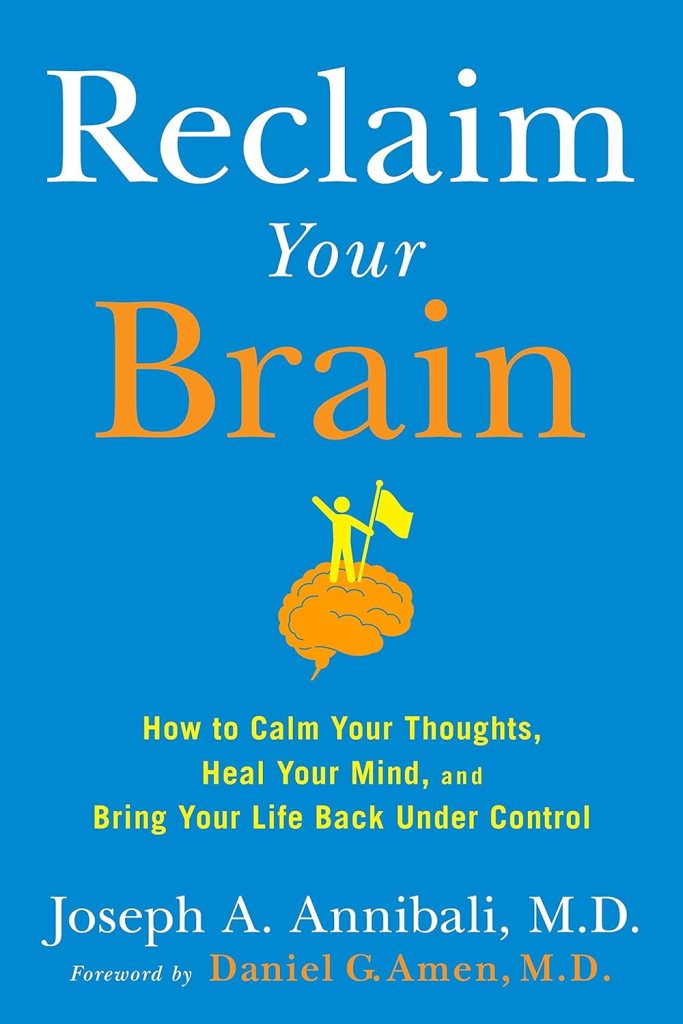
Reclaim Your Brain: How to Calm Your Thoughts, Heal Your Mind, and Bring Your Life Back Under Control – December 29, 2015 by Joseph A. Annibali MD (Author), Daniel G. Amen M.D. (Foreword)
Emotional
“ Emotional well-being, or emotional health or wellness, refers to how well people are able to accept and manage their emotions and cope with challenges throughout life. Emotional well-being can affect how well someone can function day to day or how they are able to deal with change or uncertainty.”
Here’s eight emotional forms of expressions:
- Happiness
- Sadness
- Fear
- Disgust
- Anger
- Surprise
- Contempt
- Relief
https://www.verywellmind.com/an-overview-of-the-types-of-emotions
Additional Resource:
These factors, which include self-awareness, self-discipline, and empathy, add up to a different way of being smart—and they aren’t fixed at birth. Although shaped by childhood experiences, emotional intelligence can be nurtured and strengthened throughout our adulthood—with immediate benefits to our health, our relationships, and our work.
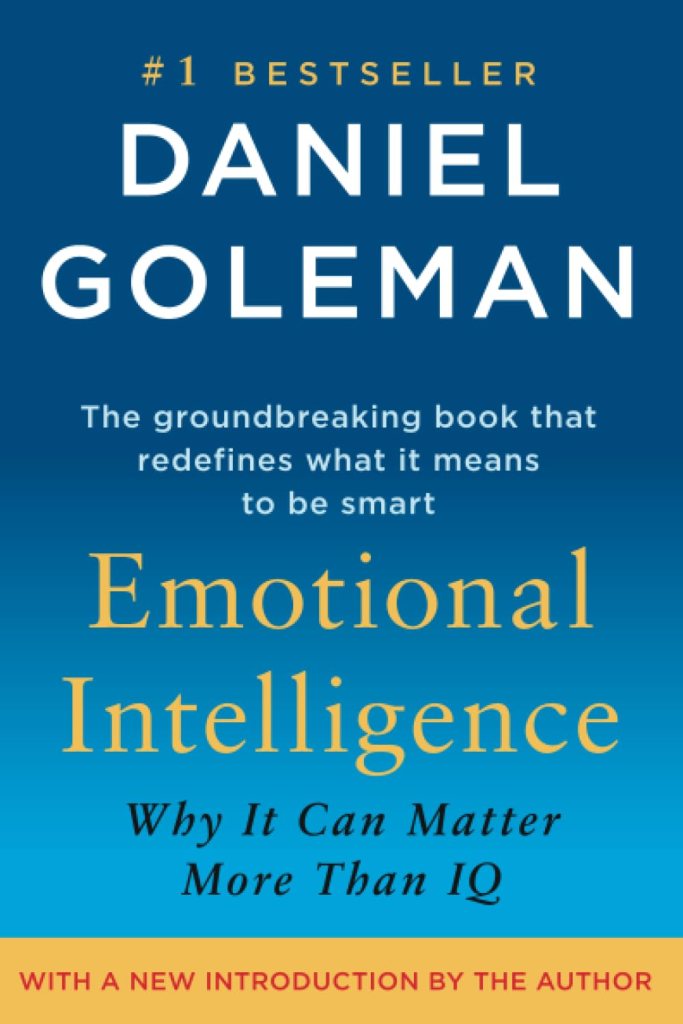
Emotional Intelligence: Why It Can Matter More Than IQ – September 27, 2005 by Daniel Goleman (Author)
Psychological
“ Psychological health is a complex interaction of the mental, emotional, social, and spiritual dimensions of health. Possessing strength and resiliency in these dimensions can maintain your overall well-being and help you weather the storms of life.”
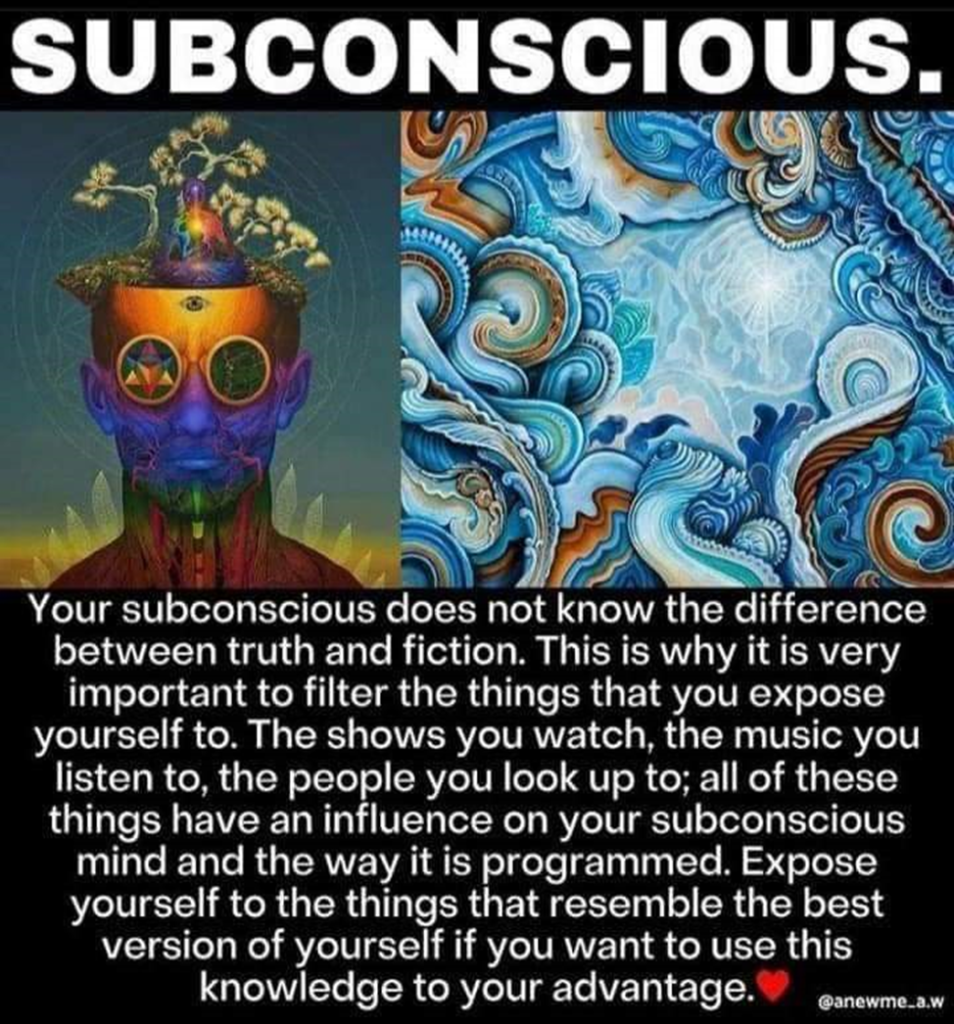
Here’s five general psychological disorders:
- Neurodevelopmental disorders
- Bipolar and somatic disorders
- Anxiety disorders
- Trauma and stress disorders
- Dissociative disorders
https://www.verywellmind.com/a-list-of-psychological-disorders
Additional Resource:
Each lecture is followed by a question and answer session. Lama and his audiences always enjoyed the give and take of these lively exchanges, and pretty much anything went. Although these talks were called lectures, Lama would have each of us use them as a mirror for our minds and look beyond the words, find ourselves, and become our own psychologist.
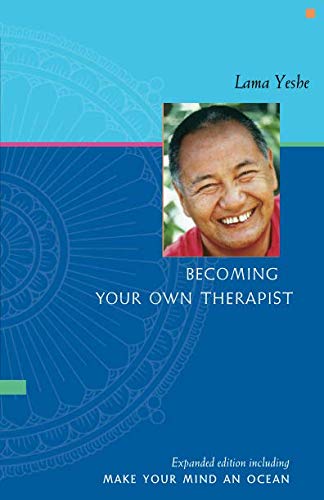
Becoming Your Own Therapist and Make Your Mind an Ocean Paperback – January 1, 2003 by Lama Yeshe (Author), Nicholas Ribush (Editor)
Social Well-being
“ Well-being is the experience of health, happiness, and prosperity. It includes having good mental health, high life satisfaction, a sense of meaning or purpose, and the ability to manage stress.”
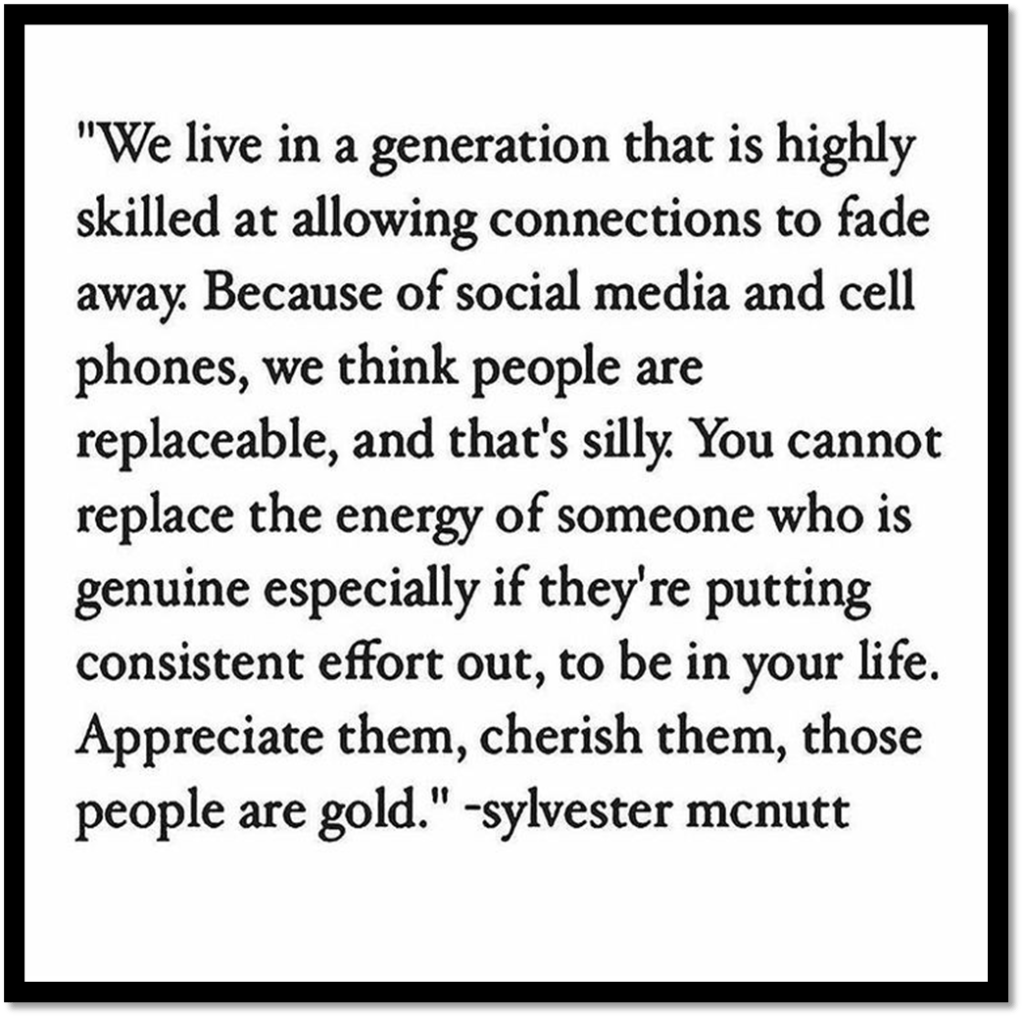
Here’s five ways to improve your social well-being:
- Make a connection with others
- Take care of yourself while caring for others
- Do activities with a friend or family member
- Bond with your childhood
- Establish healthier relationships
https://www.nih.gov/health-information/social-wellness-toolkit
Additional Resource:
The rewards of mindfulness practice are well proven: reduced stress, improved concentration, and an overall sense of well-being. But those benefits are just the beginning. Mindfulness in action—mindfulness applied throughout life—can help us work more effectively with life’s challenges, expanding our appreciation and potential for creative engagement.
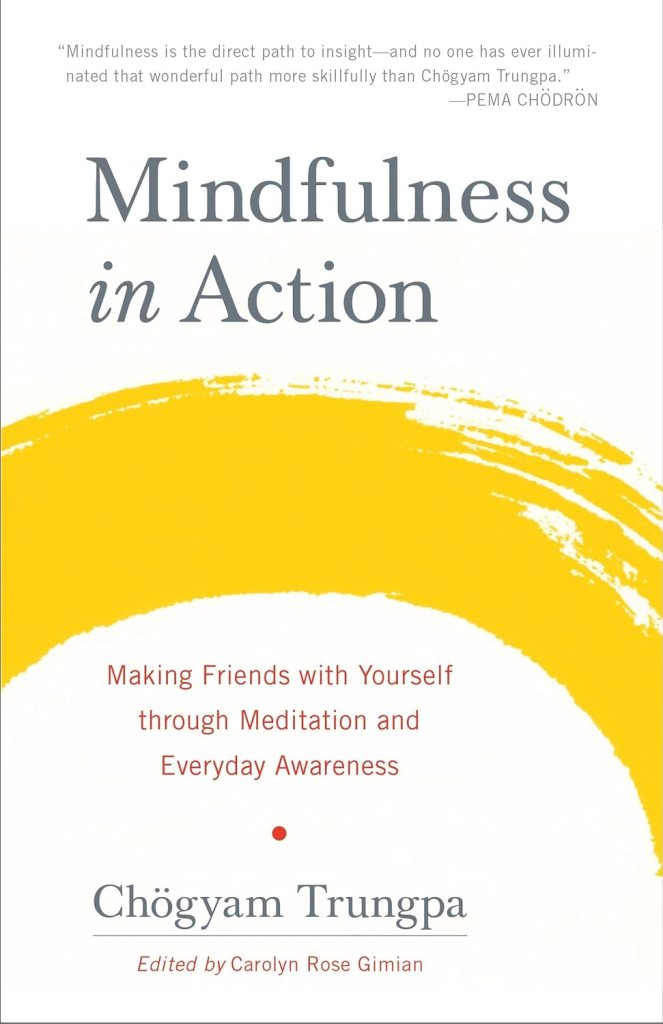
Mindfulness in Action: Making Friends with Yourself through Meditation and Everyday Awareness – June 21, 2016 by Chogyam Trungpa (Author), Carolyn Rose Gimian (Editor)
Here’s 6 questions to ask yourselves everyday:
Physical Health
“ Although not a cure-all, increasing physical activity directly contributes to improved mental health and better overall health and well-being.”
https://health.gov/news/physical-activity-good-mind-and-body
Here’s six elements of your physical health to consider:
- Height to weight ratio
- Keeping your heart healthy
- Your blood pressure level
- Levels of good and bad cholesterol
- Physical fitness and physique
- Flexibility of muscles and joints
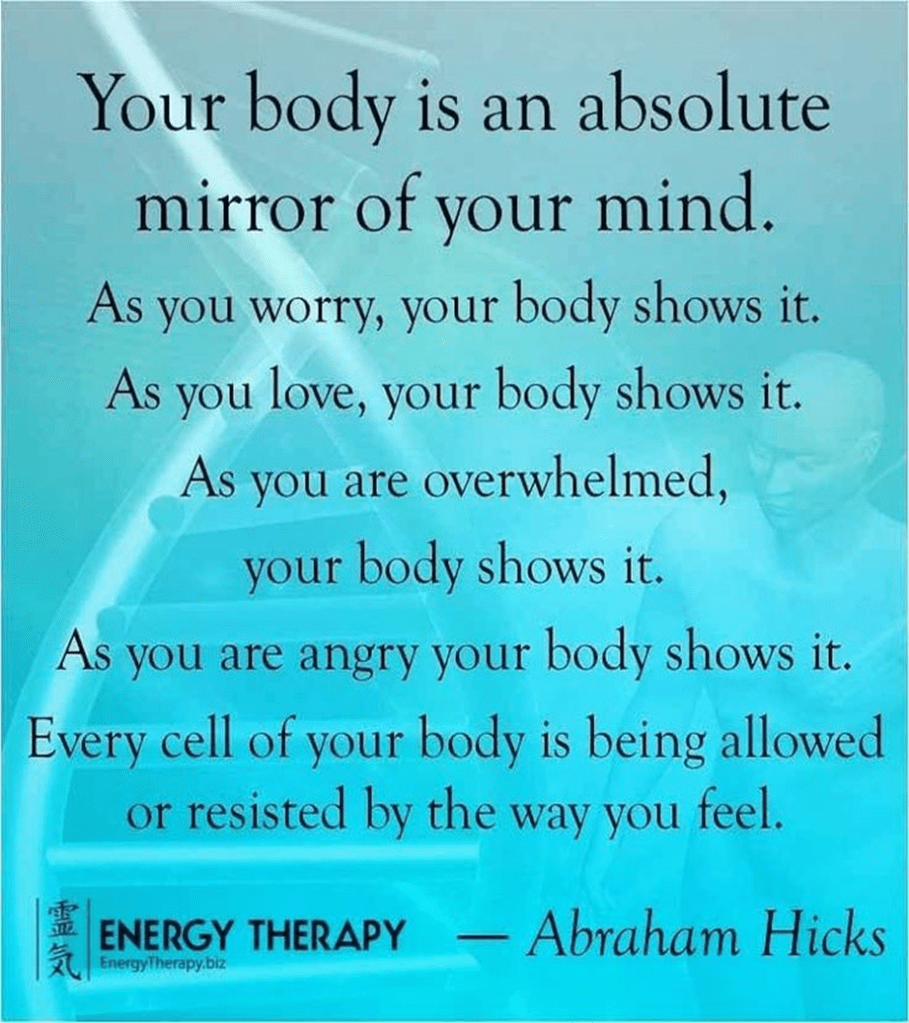
Additional Resource:
Heal painful joints, prevent injuries, and rebuild your body from the ground up.
(If mainstream fitness advice has left you broken down and beat up, it’s time for a new strategy.) Most middle-aged fitness enthusiasts and athletes have been dragged down by joint pain, injuries, and other ailments commonly accepted as “part of getting older.” But it doesn’t have to be this way.
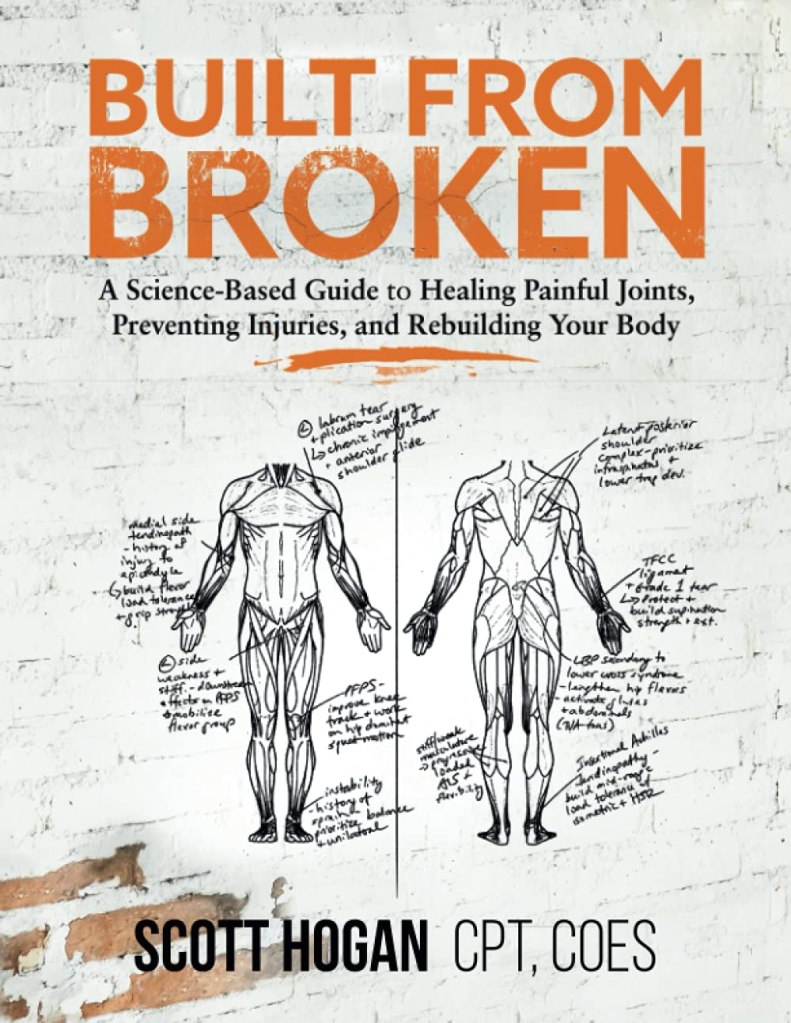
Built from Broken: A Science-Based Guide to Healing Painful Joints, Preventing Injuries, and Rebuilding Your Body – June 7, 2021 by Scott H Hogan (Author)
Nutrition
“ Nutrition is important for everyone because food gives our bodies the nutrients, they need to stay healthy, grow, and work properly. Good nutrition means your body gets all the nutrients, vitamins, and minerals it needs to work its best.”
https://www.tuftsmedicarepreferred.org/healthy-living/importance-good-nutrition
Here’s four ways nutrition works with your mind and body:
- Mood and carbohydrates
- Diet and immune activation
- Brain, gut microbiome, and energy
- Preventive care using natural remedies
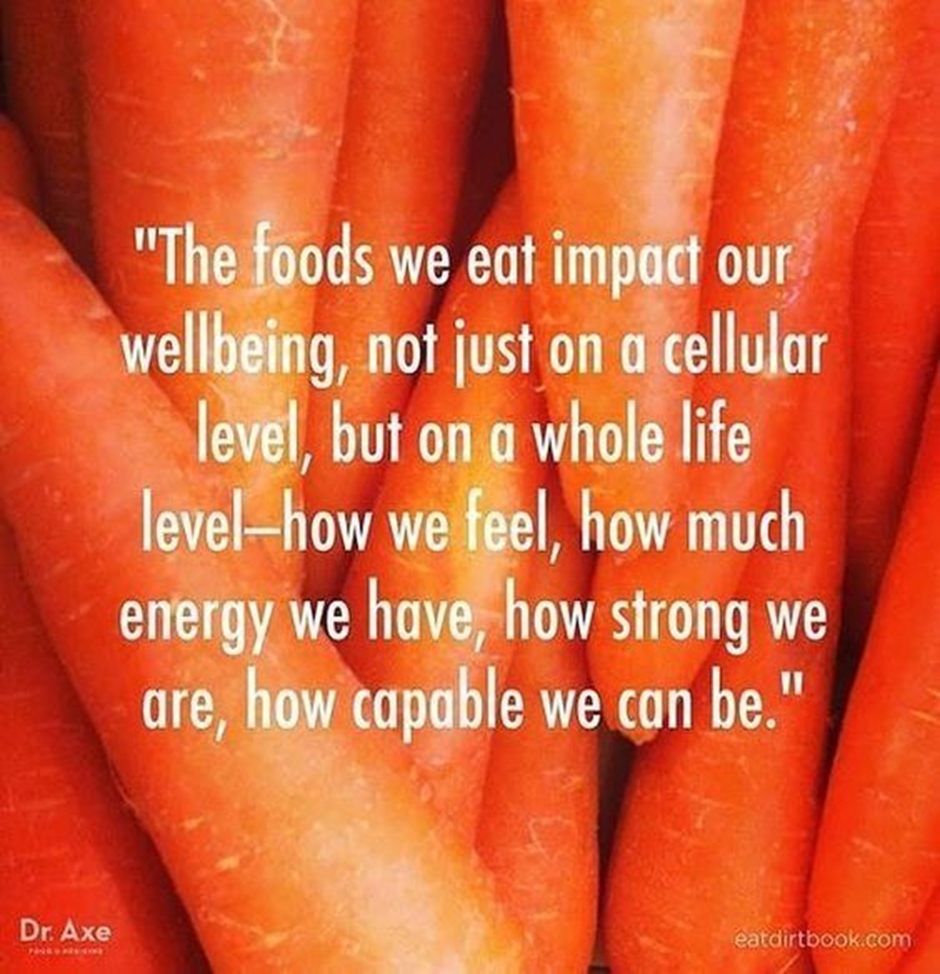
Additional Resource:
You are unique! The way we respond to food, exercise and stress varies person-to-person just as much as our fingerprints. This book will identify YOUR individual needs and teach you how to address issues that may be preventing you from looking and feeling your best.
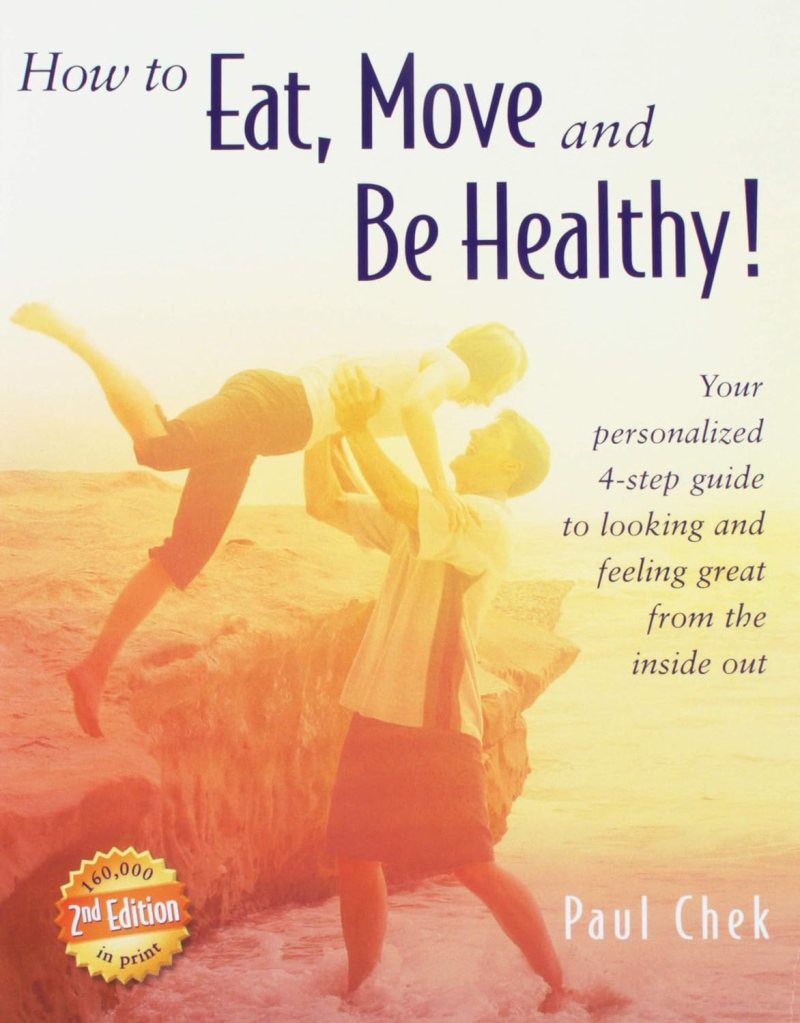
How to Eat, Move and Be Healthy! – July 1, 2018 by Paul Chek (Author)
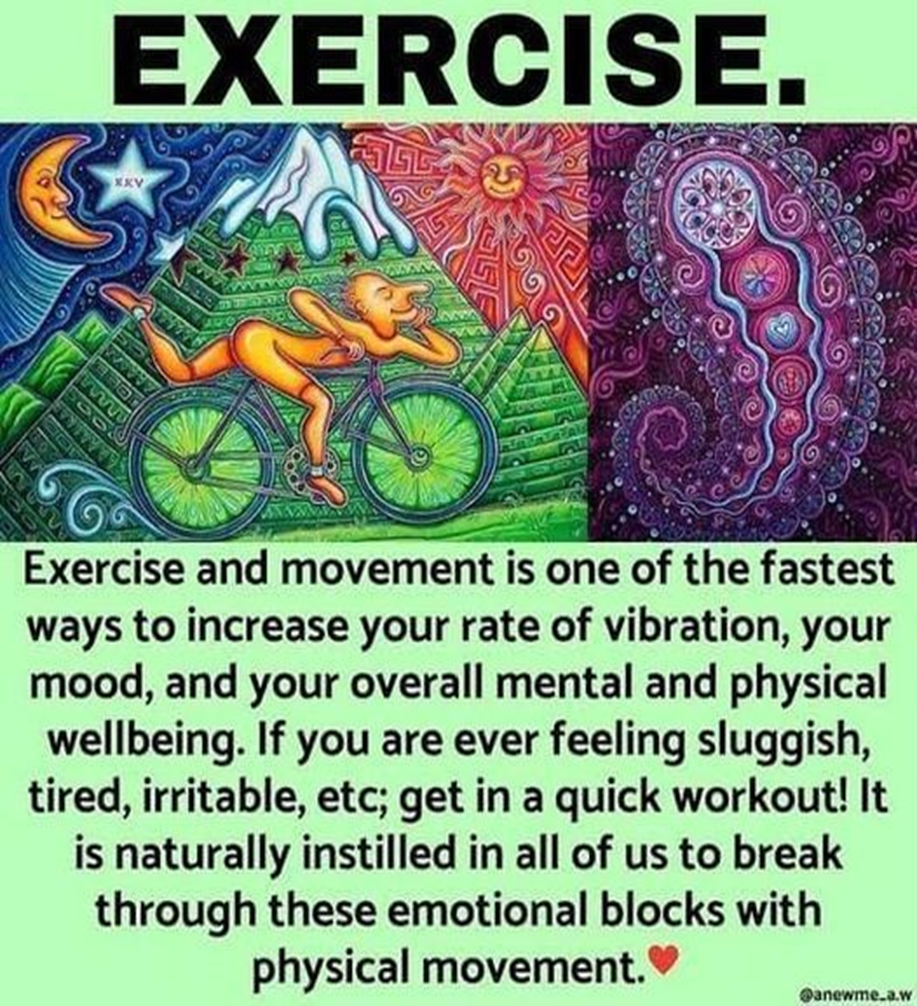
Being active
“ Being physically active can improve your brain health, help manage weight, reduce the risk of disease, strengthen bones and muscles, and improve your ability to do everyday activities.”
https://www.cdc.gov/physicalactivity/basics/pa-health
Here’s seven easy steps to being active:
- Walk it out
- Clean it all up
- Cook up some moves
- Resistance exercises
- Some cardio
- Pilates
- Exercise ball chair
Additional Resource:
Here is a way for people of every age to integrate physical and mental development into a new, invigorating wholeness. Feldenkrais provides a modern-day, practical program for the perennial ideal of a healthy mind in a healthy body.
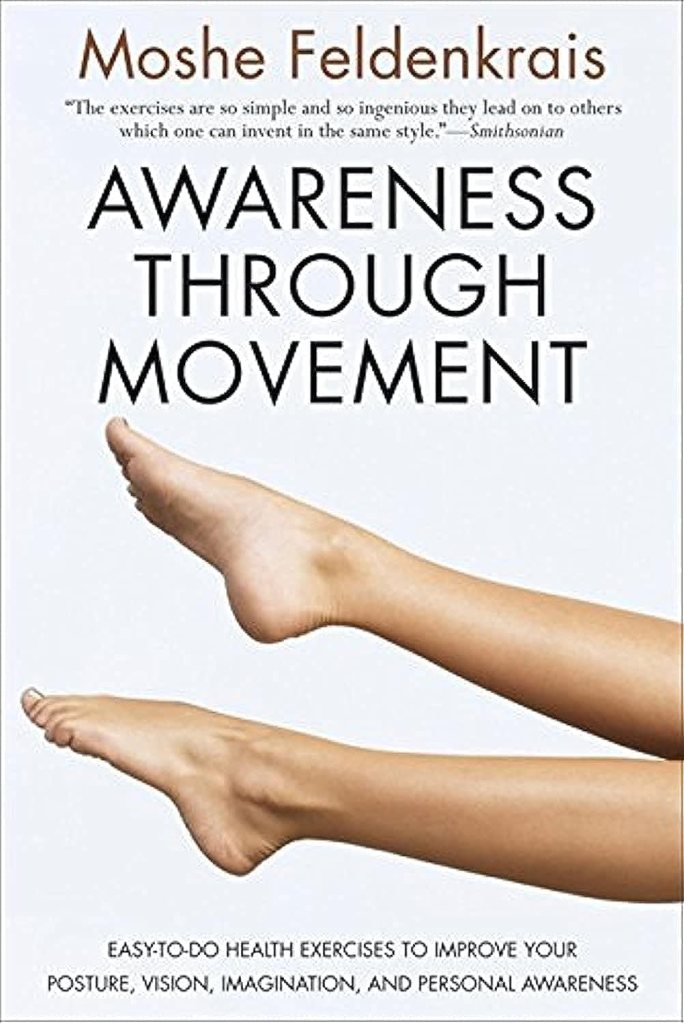
Awareness Through Movement: Easy-to-Do Health Exercises to Improve Your Posture, Vision, Imagination, and Personal Awareness – Illustrated, July 28, 2009 by Moshe Feldenkrais (Author)
Environment
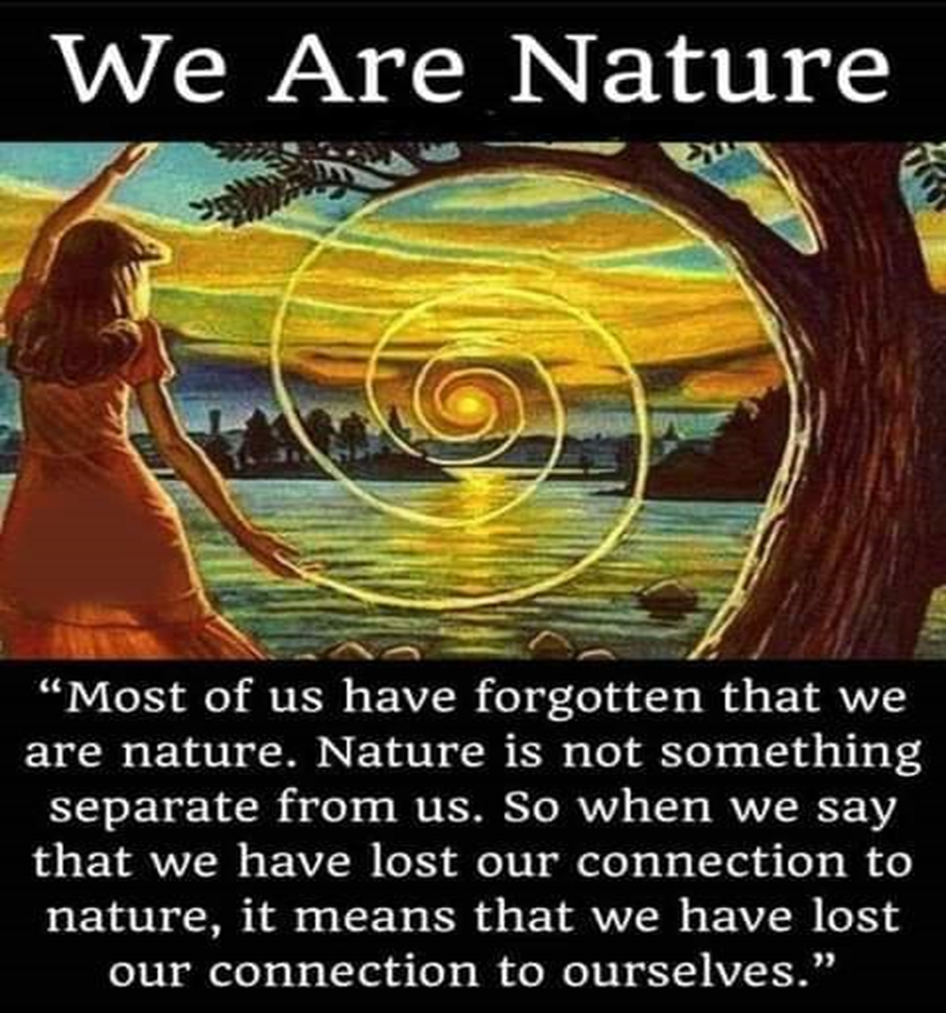
“ The environment around you plays a significant role in your health. It affects your stress levels, ability to sleep, concentration, and a number of physiological systems. It might not seem like a big deal, but where you live can put you at risk for a number of health problems.”
Here’s six areas that impact your environment:
- Climate
- Crime level
- Pollution
- Presence of toxins inside home
- Poverty
- Aesthetics
Additional Resource:
In compelling language, Anne Nadakavukaren and new coauthor Jack Caravanos describe the crucial interdependence between humans and their environment, exploring the varied ways in which human activities have impacted, degraded, or altered the environment, and the consequences to both natural ecosystems and human health and well-being.
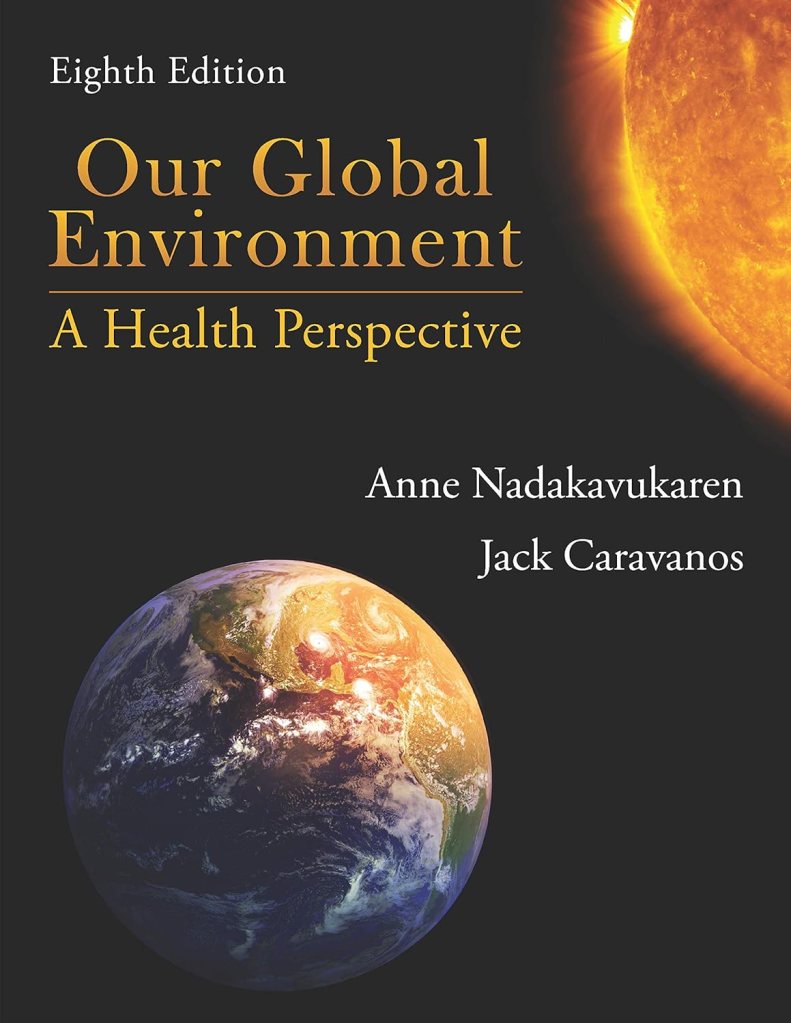
Our Global Environment: A Health Perspective, Eighth Edition 8th Edition by Anne Nadakavukaren (Author), Jack Caravanos (Author)
Here’s 14 questions to determine your physical health:
https://www.realsimple.com/health/preventative-health/health-questions-to-ask-yourself
 Life Dynamic Solutions